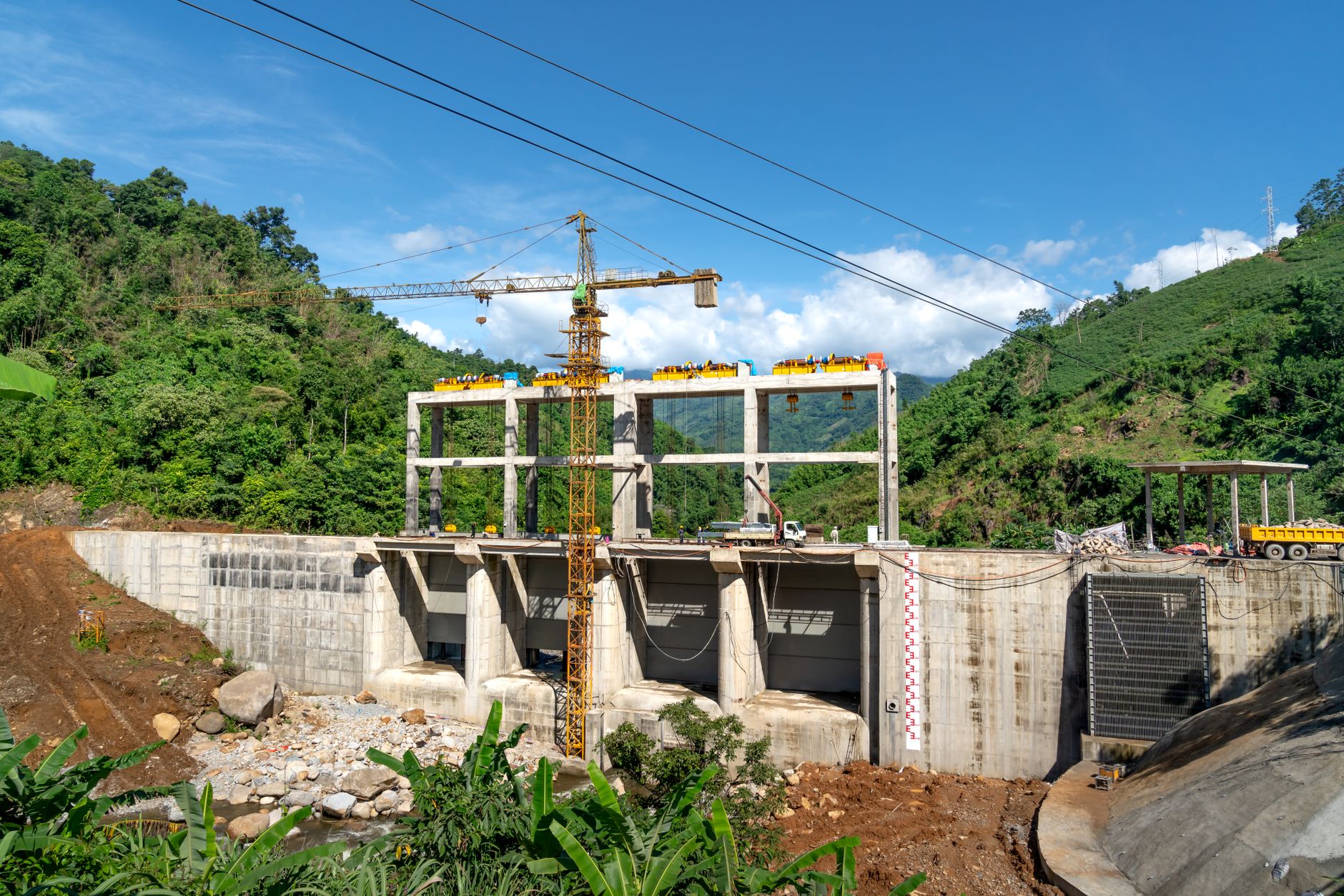
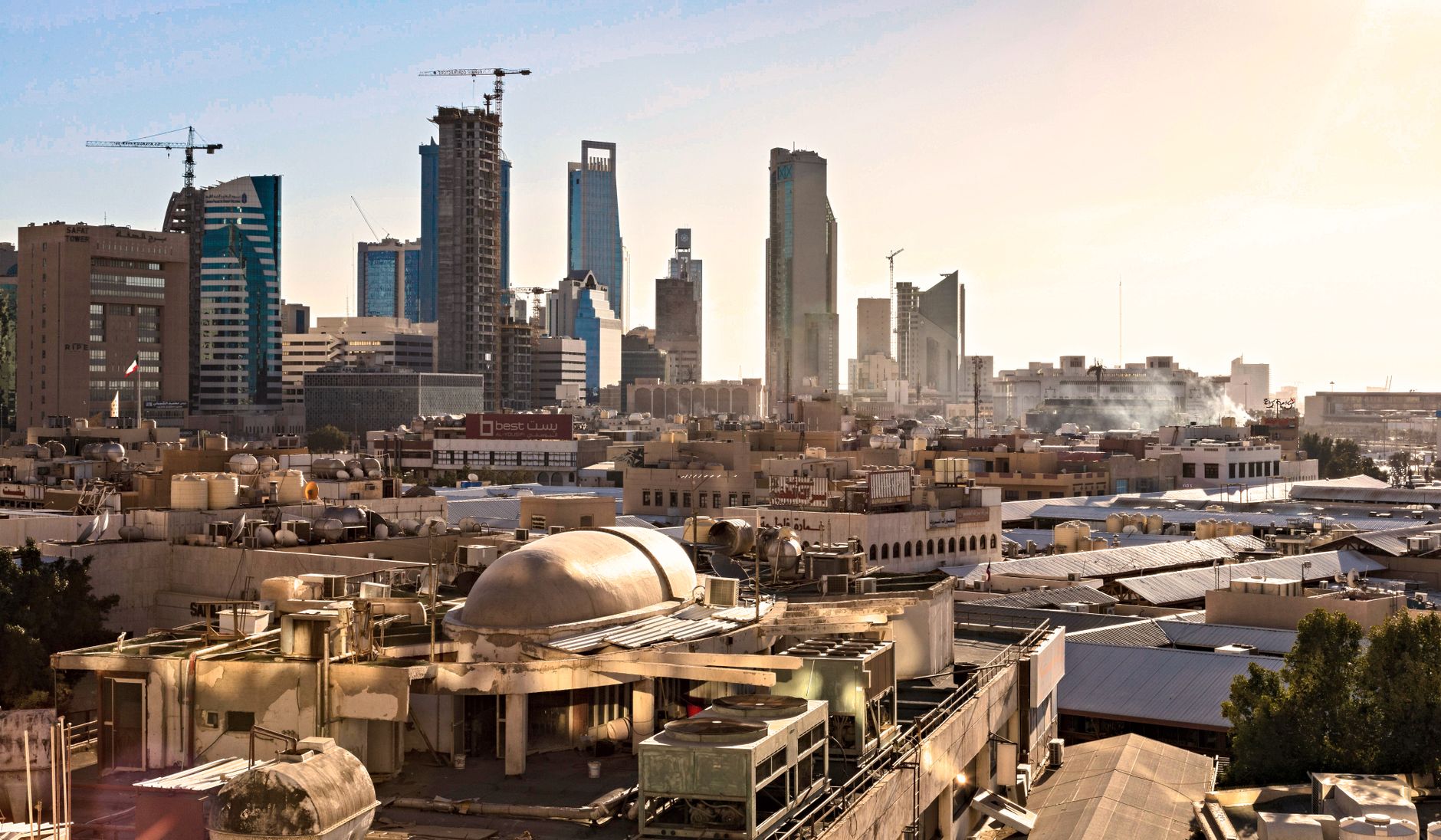
The Dibang Multipurpose Project is set to revolutionize flood control in Assam. This ambitious initiative aims to mitigate flooding issues while boosting infrastructure development in the region.
Overview of the Dibang Multipurpose Project
The Dibang Multipurpose Project is a significant infrastructure initiative located in Arunachal Pradesh, India. Designed to address various challenges, this project aims to harness the vast potential of the Dibang River. By constructing the tallest dam in India, the project seeks to provide multiple benefits, particularly in flood control for the neighboring state of Assam.
The key objectives of the Dibang Multipurpose Project include:
Flood Management: By regulating the flow of the Dibang River, the dam is expected to mitigate the risk of flooding in Assam, which has been historically prone to severe flood events.
Hydropower Generation: The project will generate a significant amount of renewable energy, contributing to the country’s energy security and reducing reliance on fossil fuels.
Water Supply: The project aims to ensure a stable water supply for irrigation and domestic use in the surrounding regions, enhancing agricultural productivity.
Overall, the Dibang Multipurpose Project represents a strategic investment in infrastructure, with the potential to transform flood management and energy generation in northeast India.
How the Project Will Control Assam Floods
The Dibang Multipurpose Project is poised to significantly mitigate the flooding issues that Assam faces annually. By constructing India’s tallest dam, the project aims to harness the waters of the Dibang River, which flows into the Brahmaputra, to regulate water flow and reduce flood risks.
This initiative is essential for several reasons:
Water Storage: The project will create a substantial reservoir, allowing for better management of excess rainwater during the monsoon season.
Flood Control: By controlling the release of water from the reservoir, the project will help manage downstream flood conditions, thereby protecting vulnerable areas in Assam.
Irrigation Support: The stored water can also be used for irrigation, ensuring that agricultural lands receive sufficient moisture throughout the year.
Hydropower Generation: The dam will generate renewable energy, supporting local economies and reducing reliance on fossil fuels.
In conclusion, the Dibang Multipurpose Project serves as a smart solution not only for flood control but also for sustainable development in the region.
Benefits of the Dibang Dam
The Dibang Multipurpose Project promises a myriad of benefits for the region, particularly in mitigating the impact of floods in Assam. This ambitious initiative is designed not only to control water flow but also to enhance the overall quality of life for local communities.
One of the primary advantages of the Dibang Dam is its potential to provide a reliable source of hydroelectric power. By harnessing the energy of the Dibang River, the project aims to generate significant electricity, contributing to the region’s energy needs and reducing dependence on fossil fuels.
Additionally, the dam will play a crucial role in irrigation, ensuring that agricultural lands receive adequate water supply throughout the year. This transformation could lead to improved crop yields and food security for the local population.
Moreover, the Dibang Multipurpose Project is expected to stimulate economic growth by creating job opportunities during both the construction phase and operational periods. With increased tourism possibilities in the area, the project could also enhance the local economy.
In conclusion, the benefits of the Dibang Dam extend far beyond flood control, promising a brighter future for Assam and its inhabitants.
Challenges and Concerns Surrounding the Project
The Dibang Multipurpose Project, while promising significant benefits, also faces a range of challenges and concerns that must be addressed for its successful implementation. One of the primary challenges is the environmental impact. The construction of the dam could disrupt local ecosystems, affecting flora and fauna in the region.
Additionally, there are apprehensions regarding the displacement of local communities. Many residents may need to relocate, raising questions about compensation and rehabilitation. The project must ensure that the rights and livelihoods of these individuals are adequately protected.
There are also concerns about the potential for geological instability, given that the project site is located in a seismically active region. This raises questions about the long-term safety of the dam and the surrounding areas.
Furthermore, the Dibang Multipurpose Project may face opposition from environmental activists and local groups who advocate for sustainable development. It is crucial for project developers to engage with these stakeholders to address their concerns and foster a collaborative approach.
In summary, the successful execution of the Dibang Multipurpose Project will depend on overcoming these challenges while prioritizing environmental sustainability and community welfare.
India road trip enthusiasts will be thrilled to learn about PM Modi’s latest initiative aimed at improving travel in Ladakh. This new project promises to make journeys through this stunning region much smoother and more enjoyable.
Overview of the new project
The Indian government has launched an ambitious project aimed at enhancing the travel experience for those embarking on an India road trip through the breathtaking landscapes of Ladakh. This initiative, announced by Prime Minister Modi, is set to significantly improve road connectivity in the region, making it more accessible for tourists and locals alike.
Key features of the project include:
Upgraded Road Infrastructure: Extensive road repairs and new construction will ensure smoother travel.
Enhanced Safety Measures: Installation of safety barriers and improved signage to protect travelers.
Environmental Considerations: Plans to minimize ecological impact while improving accessibility.
With these developments, the Ladakh project is expected to transform the way people explore this stunning region, making every India road trip a memorable adventure.
Benefits for travelers
The newly launched project in Ladakh promises numerous benefits for travelers embarking on an India road trip. With upgraded infrastructure and enhanced roadway conditions, visitors can expect a smoother and more enjoyable journey through one of the country’s most breathtaking landscapes.
Key benefits of the project include:
Improved Accessibility: Remote areas will be more reachable, allowing travelers to explore hidden gems.
Safety Enhancements: Better road conditions will reduce the risk of accidents, ensuring a safer experience for all.
Scenic Routes: The project emphasizes maintaining the natural beauty of Ladakh, creating picturesque drives.
Local Economy Boost: Increased tourism will provide a much-needed uplift to local businesses and communities.
Overall, this initiative is set to transform the India road trip experience, making it more accessible and enjoyable for everyone.
Impact on local economy
The new project in Ladakh is set to significantly boost the local economy, particularly through increased tourism associated with the India road trip experience. As road conditions improve, more travelers are expected to explore this breathtaking region, leading to a surge in demand for local businesses.
Key impacts on the local economy include:
Job Creation: The growth in tourism will create numerous job opportunities in hospitality, guiding, and local crafts.
Support for Local Artisans: Increased foot traffic will allow local artisans to showcase and sell their products to a wider audience.
Investment in Infrastructure: Enhanced roads will attract further investments, improving facilities and services for both locals and visitors.
Overall, this project aims to foster sustainable economic growth, making the region more accessible and beneficial for its inhabitants.
Future of road trips in India
The future of road trips in India appears brighter with the recent initiatives aimed at enhancing connectivity and infrastructure. With the new Ladakh project, travelers can expect a seamless journey through some of the most breathtaking landscapes the country has to offer.
As the government invests in better roads and facilities, the excitement for an India road trip will grow, attracting more adventurers and families alike.
Moreover, the focus on sustainable tourism is expected to ensure that the natural beauty of Ladakh is preserved while supporting local communities.
Key aspects shaping the future of road trips in India include:
Improved road conditions
Enhanced safety measures
Development of eco-friendly accommodations
These advancements promise to transform how people explore the diverse terrains and cultures across India.
Government’s commitment to infrastructure
The Indian government has reaffirmed its commitment to enhancing infrastructure across the country, particularly in regions popular for road trips, such as Ladakh. This initiative aims to improve connectivity and accessibility, making the India road trip experience more enjoyable for travelers. By investing in modern road networks, the government is focusing on reducing travel time and ensuring the safety of all road users.
Moreover, the project aligns with the broader vision of promoting tourism in remote areas, thereby supporting local communities. As new roads are built and existing ones are upgraded, the potential for economic growth in Ladakh and surrounding regions becomes increasingly evident.
This commitment to infrastructure not only enhances the travel experience but also plays a crucial role in fostering regional development, ultimately benefiting both locals and tourists alike.
The greenfield shipyard project is a groundbreaking initiative in Thoothukudi, marking India’s first mega shipyard aimed at boosting the maritime sector.
Overview of the Greenfield Shipyard Project
The Greenfield Shipyard Project in Thoothukudi represents a significant advancement in India’s maritime infrastructure. This state-of-the-art facility aims to enhance the country’s shipbuilding capabilities, positioning India as a competitive player in the global maritime industry.
With an estimated investment of over ₹10,000 crores, the project is expected to create thousands of jobs and stimulate economic growth in the region. The shipyard will focus on building various types of vessels, including cargo ships, tankers, and naval ships, catering to both domestic and international markets.
The strategic location of the shipyard, along the southeastern coast, allows for easy access to shipping lanes and enhances logistical efficiency. This greenfield initiative is designed with modern technology and environmentally friendly practices, emphasizing sustainability in shipbuilding.
Investment Opportunities: The project offers numerous investment avenues in construction, technology, and services.
Job Creation: It is anticipated to generate around 20,000 direct and indirect employment opportunities.
Technological Advancements: The shipyard will incorporate cutting-edge technology to improve productivity.
Overall, the Greenfield Shipyard Project is poised to transform Thoothukudi into a major maritime hub, attracting both local and international investors.
Key Features of the New Shipyard
The Greenfield Shipyard Project is set to revolutionize the maritime industry with its remarkable features. As one of the most significant investments in recent years, this project promises to elevate shipbuilding standards and enhance economic growth in the region.
State-of-the-art Facilities: The shipyard will be equipped with advanced technologies and machinery, enabling the construction of a variety of vessels, including cargo ships, tankers, and naval ships.
Strategic Location: Located in Thoothukudi, the shipyard benefits from proximity to major shipping routes, facilitating easier access for international trade.
Employment Generation: The project is expected to create thousands of jobs, providing significant opportunities for local communities and skilled workers.
Sustainability Initiatives: Emphasizing eco-friendly practices, the shipyard will incorporate green technologies to minimize environmental impact during ship construction and maintenance.
Collaboration with Global Leaders: Partnerships with established international shipbuilding companies will bring expertise and innovation, ensuring the shipyard maintains high standards in production.
Overall, the Greenfield Shipyard Project not only represents a leap forward in infrastructure but also showcases India’s commitment to expanding its maritime capabilities.
Impact on India’s Maritime Industry
The Greenfield Shipyard Project is set to revolutionize India’s maritime industry, bringing forth unprecedented growth and development. This mega investment opportunity aims to enhance shipbuilding capabilities, positioning India as a significant player in the global maritime sector.
With the establishment of the new shipyard, several positive outcomes are anticipated:
Increased Shipbuilding Capacity: The project will bolster India’s ability to construct a wider variety of vessels, catering to both domestic and international markets.
Job Creation: Thousands of direct and indirect jobs will be generated, providing a substantial boost to local economies and skill development initiatives.
Technological Advancement: The shipyard will incorporate state-of-the-art technology, enabling advancements in ship design and construction processes.
Export Potential: With enhanced capabilities, India will be able to export more vessels, increasing its share in the global shipping market.
Furthermore, the Greenfield Shipyard Project will serve as a catalyst for ancillary industries, such as steel production and marine equipment manufacturing, creating a ripple effect that supports overall economic growth. This initiative not only strengthens India’s maritime infrastructure but also enhances its strategic position in the global maritime landscape.
Investment Opportunities in Thoothukudi
Thoothukudi is poised to emerge as a key player in India’s maritime landscape, thanks to the Greenfield Shipyard Project. This mega investment opportunity is set to transform the region’s economy, offering a plethora of benefits for investors, local businesses, and the workforce.
With the establishment of the shipyard, several investment opportunities arise:
Infrastructure Development: The project will necessitate extensive infrastructure improvements, creating opportunities in construction, logistics, and transportation.
Job Creation: Thousands of jobs will be generated, ranging from skilled labor to management positions, fostering local employment and skill development.
Supply Chain Expansion: The shipyard’s operations will require a myriad of materials and services, leading to increased demand for local suppliers and service providers.
Technological Advancements: Investors can explore partnerships with technology providers to introduce innovative solutions in shipbuilding and maintenance.
Export Potential: The shipyard will not only cater to domestic needs but also position Thoothukudi as a significant player in the global maritime market, enhancing export opportunities.
Overall, the Greenfield Shipyard Project represents a significant leap forward, offering numerous avenues for investment and growth in Thoothukudi.
Sustainability Practices in Shipbuilding
The Greenfield shipyard project is not only a significant investment opportunity but also a beacon of sustainability in shipbuilding. As the world moves towards greener practices, this initiative aims to reduce the environmental impact of maritime activities.
One of the core sustainability practices being implemented includes the use of renewable energy sources. Solar panels and wind turbines will power various operations within the shipyard, significantly lowering carbon emissions.
Additionally, the shipyard will incorporate water conservation techniques. Advanced systems for rainwater harvesting and recycling will ensure minimal water wastage, addressing a critical resource concern in coastal regions.
The project also emphasizes the use of eco-friendly materials in ship construction. By sourcing sustainable materials, the shipyard aims to minimize its ecological footprint while producing high-quality vessels.
Furthermore, the Greenfield shipyard project is committed to waste management practices that prioritize recycling and reducing waste. This holistic approach not only enhances operational efficiency but also aligns with global sustainability goals.
With these measures, the shipyard sets a new standard in the industry, proving that economic growth and environmental stewardship can go hand in hand.
Government Support for Infrastructure Projects
The government has recognized the potential of the greenfield shipyard project in Thoothukudi as a transformative initiative for the region’s economic landscape. In line with this vision, various support measures have been introduced to facilitate its development and ensure its success.
Financial Incentives: The government is providing attractive financial packages, including subsidies and tax exemptions, to encourage private investment in the greenfield shipyard project.
Streamlined Regulations: Efforts are being made to simplify regulatory processes, enabling faster approvals and reducing bureaucratic hurdles for stakeholders involved in the shipyard development.
Infrastructure Development: Significant investments are planned to enhance the surrounding infrastructure, including transportation networks and utilities, which are crucial for the shipyard’s operational efficiency.
Skilled Workforce Development: Collaborations with educational institutions are underway to ensure that a skilled workforce is available to meet the demands of the new shipyard, focusing on maritime engineering and shipbuilding technologies.
This robust government backing is poised to make the greenfield shipyard project a model for future infrastructure endeavors, contributing not only to local job creation but also enhancing India’s stature in the global maritime industry.
Future of Shipbuilding in India
The future of shipbuilding in India looks promising, particularly with the advent of the greenfield shipyard project in Thoothukudi. This initiative is set to revolutionize the maritime industry by positioning India as a global hub for shipbuilding. As global demand for shipping increases, the Indian shipbuilding sector is expected to expand significantly, creating numerous job opportunities and boosting local economies.
Advancements in technology and innovation will play a critical role in shaping the future of shipbuilding in the country. The integration of automation, artificial intelligence, and sustainable practices will not only enhance productivity but also minimize environmental impact. The new shipyard is designed to accommodate the latest technologies, ensuring that India remains competitive on the international stage.
Moreover, the initiative is aligned with the government’s vision of ‘Make in India,’ encouraging local manufacturing and expertise in shipbuilding. As the project progresses, collaboration between public and private sectors will be essential to foster growth and attract foreign investment.
In conclusion, the greenfield shipyard project represents a significant leap forward for India’s maritime industry, paving the way for a future where India becomes a key player in global shipbuilding.
Challenges Facing the Greenfield Project
The Greenfield Shipyard Project, while promising significant advancements in India’s maritime industry, faces several challenges that could impact its successful implementation. Addressing these challenges is crucial for maximizing the project’s potential benefits.
Environmental Concerns: The construction and operation of the shipyard may lead to ecological disturbances in the surrounding area. Balancing industrial growth with environmental sustainability is a critical issue that needs addressing.
Funding and Investment: While the project has attracted initial investments, securing ongoing financial support remains a challenge. Investors need assurance of returns, and fluctuations in the global economy can affect investment flows.
Skilled Labor Shortage: The shipbuilding sector requires a highly skilled workforce. The Greenfield Shipyard Project must focus on training and retaining talent to ensure operational efficiency and innovation.
Regulatory Hurdles: Navigating the complex regulatory environment can delay project timelines. Streamlined processes and transparency will be essential for overcoming bureaucratic obstacles.
Technological Integration: Implementing advanced technologies in shipbuilding is vital for competitiveness. The project must prioritize research and development to stay ahead in the global market.
Addressing these challenges effectively will be key to realizing the full potential of the Greenfield Shipyard Project.
India-Middle East Economic Corridor is gaining traction as a vital alternative to regional chokepoints, backed by significant endorsements.
Overview of the India-Middle East Economic Corridor
The India-Middle East Economic Corridor (IMEC) has emerged as a significant strategic initiative aimed at enhancing connectivity and fostering economic growth across the region. This corridor is envisioned as a vital alternative to traditional chokepoints, which have often been susceptible to geopolitical tensions and trade disruptions.
IMEC is designed to facilitate trade and investment flows between India and the Middle East, thereby promoting economic integration. With an extensive network of roads, railways, and shipping lanes, the corridor is expected to streamline logistics and shorten transit times for goods moving between these regions.
Key features of the India-Middle East Economic Corridor include:
Enhanced Connectivity: The corridor aims to connect major ports and cities in India, the Gulf states, and beyond.
Economic Growth: By boosting trade, IMEC is anticipated to stimulate economic development and create job opportunities.
Regional Collaboration: The initiative encourages cooperation among countries in the region, strengthening diplomatic and economic ties.
As global trade dynamics evolve, the India-Middle East Economic Corridor stands out as a forward-thinking solution to modern challenges, positioning itself as a cornerstone for future economic collaboration.
Trump’s Support for the Corridor
Former President Donald Trump has expressed strong support for the India-Middle East Economic Corridor, emphasizing its potential as a vital alternative to traditional regional chokepoints. In recent statements, Trump highlighted the corridor’s ability to enhance trade and connectivity between India and the Middle East, thereby strengthening economic ties and promoting regional stability.
Trump’s endorsement aligns with broader geopolitical interests, as the corridor is seen as a strategic initiative that can facilitate smoother transport routes and reduce dependency on congested maritime pathways. He stated, “The India-Middle East Economic Corridor is not just an economic project; it is a transformative initiative that can reshape global trade dynamics.” This sentiment reflects a growing recognition of the corridor’s significance in the context of shifting trade patterns.
As nations seek alternatives to established routes, the India-Middle East Economic Corridor could serve as a critical link in addressing supply chain vulnerabilities. Key benefits that proponents highlight include:
Enhanced trade efficiency: Shorter and more reliable routes for goods.
Increased investment opportunities: Potential for infrastructure development and economic growth.
Strengthened alliances: Closer diplomatic ties among participating countries.
With Trump advocating for this initiative, the corridor may gain momentum in international discussions on trade and economic cooperation.
Impact on Regional Trade
The India-Middle East Economic Corridor is poised to significantly influence regional trade dynamics, offering a robust alternative to existing chokepoints. By enhancing connectivity between India and the Middle East, this corridor is expected to streamline trade routes, reduce shipping times, and lower costs for businesses operating in these regions.
Key impacts on regional trade include:
Increased Trade Volume: The corridor is anticipated to facilitate a surge in trade volumes, allowing for the efficient movement of goods and services across borders.
Strengthened Economic Ties: By fostering closer economic partnerships between India and Middle Eastern nations, the corridor can encourage investment and collaboration in various sectors.
Diversification of Trade Routes: The India-Middle East Economic Corridor offers a new pathway that reduces dependency on traditional routes susceptible to geopolitical tensions.
Enhanced Supply Chain Resilience: Businesses can expect improved supply chain reliability, as the corridor mitigates risks associated with chokepoints.
Promotion of New Markets: The corridor opens up opportunities for Indian businesses to access emerging markets in the Middle East, expanding their reach globally.
Overall, the India-Middle East Economic Corridor represents a strategic shift towards more secure and efficient trade practices, benefiting economies across the region.
Challenges Facing the Corridor
The India-Middle East Economic Corridor faces several challenges that could impede its development and effectiveness. Addressing these hurdles is crucial for realizing the corridor’s potential as a vital alternative to existing regional chokepoints.
Geopolitical Tensions: Ongoing conflicts and rivalries in the Middle East can create instability, making it difficult to establish reliable trade routes.
Infrastructure Limitations: The current state of infrastructure in some regions may not support the ambitious projects envisioned under the corridor, requiring significant investment and coordination.
Regulatory Hurdles: Differing regulations and trade policies among participating countries can complicate logistics and deter investment in the corridor.
Financial Challenges: Securing funding for large-scale infrastructure projects poses a significant obstacle, especially in a region with fluctuating economic conditions.
Environmental Concerns: Development initiatives must also address environmental sustainability to avoid adverse impacts on local ecosystems, which can lead to public resistance.
Despite these challenges, the India-Middle East Economic Corridor represents a promising opportunity for enhanced connectivity and economic growth. Collaborative efforts among nations involved will be essential to navigate these issues and ensure the corridor’s success.
Future Prospects of Economic Cooperation
The future prospects of the India-Middle East Economic Corridor look promising, with various factors contributing to its potential success. As global trade dynamics evolve, the corridor presents a strategic alternative to traditional chokepoints that often face geopolitical tensions and logistical delays.
Key aspects that will shape the future of this economic corridor include:
Infrastructure Development: Continued investment in infrastructure is essential. Enhancements in transportation and logistics will facilitate smoother trade routes, boosting connectivity between India and the Middle East.
Technological Advancements: The integration of technology in trade processes can streamline operations, reduce costs, and improve efficiency, making the corridor more attractive to businesses.
Regional Stability: The success of the corridor will also depend on political stability in the region. Collaborative efforts among participating nations can help in mitigating risks associated with conflicts.
Trade Agreements: Expanding trade agreements between India and Middle Eastern countries could further enhance economic cooperation, leading to mutual benefits and increased investment.
As these elements come into play, the India-Middle East Economic Corridor has the potential to significantly boost regional economies and establish a robust framework for future collaboration.
Comparative Analysis with Other Routes
The India-Middle East Economic Corridor is emerging as a strategic alternative to traditional trade routes that have long been vulnerable to geopolitical tensions and logistical bottlenecks. A comparative analysis with other major routes highlights its potential advantages.
Route Length and Efficiency: Compared to existing pathways like the Suez Canal, the India-Middle East Economic Corridor offers a shorter and more direct connection between South Asia, the Middle East, and Europe. This efficiency could reduce transit times and lower shipping costs.
Geopolitical Stability: The corridor aims to bypass chokepoints that are often subject to conflict or piracy, such as the Strait of Hormuz. By providing an alternative route, it enhances trade security for participating nations.
Infrastructure Development: Investment in infrastructure along the India-Middle East Economic Corridor promises to stimulate economic growth in the region. This includes upgrading ports, roads, and rail networks, which can facilitate smoother trade flows.
Environmental Considerations: The corridor is designed to promote sustainable transportation practices, potentially offering a greener alternative to more congested routes that contribute heavily to carbon emissions.
Overall, the India-Middle East Economic Corridor stands out not only for its logistical advantages but also for its potential to foster regional cooperation and economic resilience.
India Bullet Train project is advancing rapidly, with the first test coach now ready, as highlighted by Ashwini Vaishnaw. This marks a significant milestone in India’s infrastructure development.
Overview of India’s Bullet Train project
The India Bullet Train project marks a significant advancement in the country’s railway infrastructure, aiming to revolutionize high-speed travel. This ambitious initiative is being developed with the assistance of Japan and is expected to connect Mumbai and Ahmedabad with a state-of-the-art, high-speed rail line.
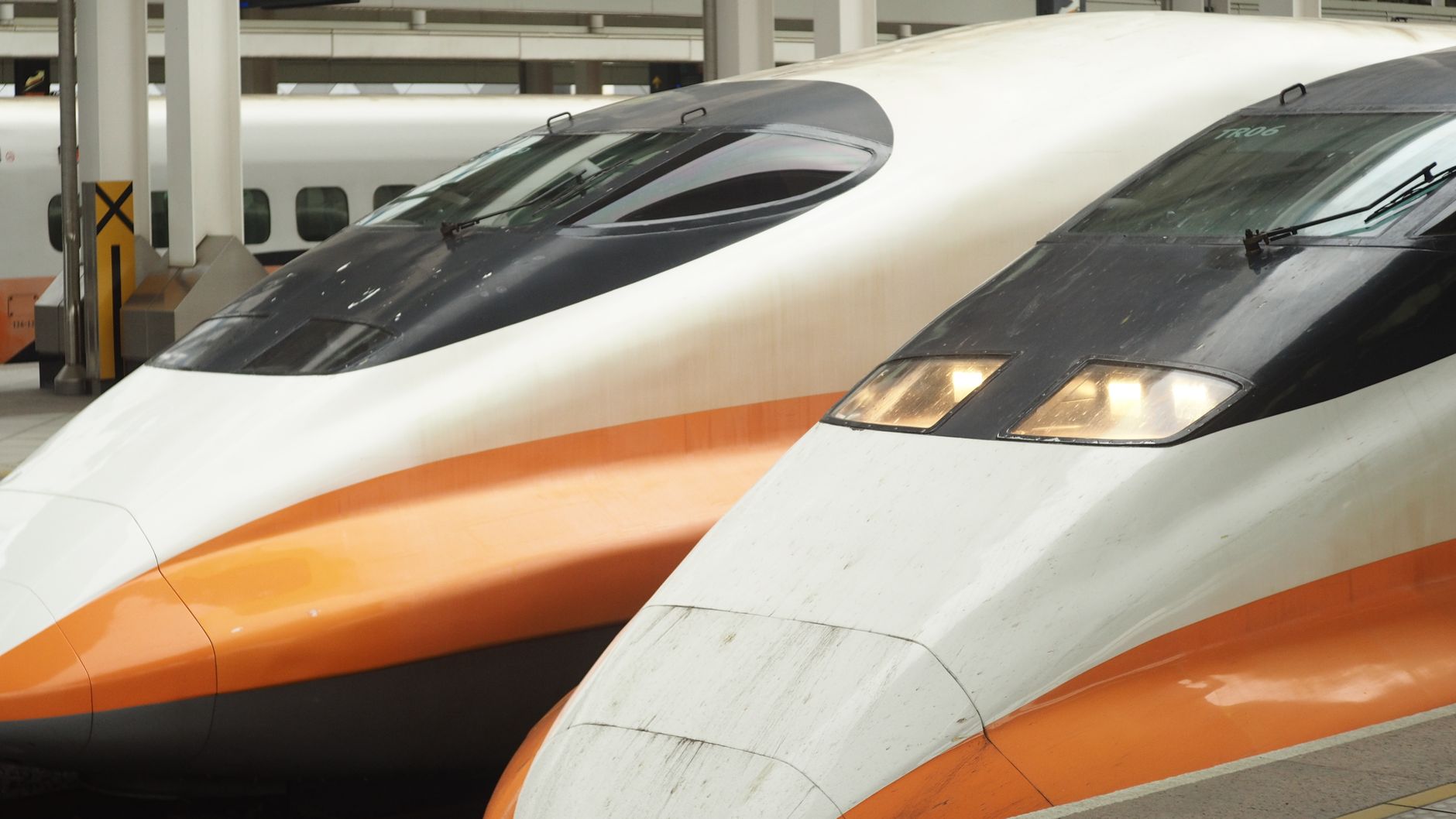
As part of the project’s rapid progression, the first test coach has recently been completed. Ashwini Vaishnaw, the Union Minister for Railways, has confirmed that this milestone is a crucial step towards operationalizing the bullet train service. The completion of the test coach signifies the readiness for extensive trials that will ensure safety and efficiency.
Key features of the India Bullet Train project include:
High-Speed Travel: The train is expected to reach speeds of up to 320 kilometers per hour.
Modern Technology: Incorporation of advanced signaling and safety systems.
Environmental Considerations: A focus on sustainability and energy efficiency.
Overall, the India Bullet Train project is poised to enhance connectivity and transform the travel experience for millions.
Key milestones achieved so far
The India Bullet Train project has seen significant progress in recent months, marking key milestones that demonstrate the commitment to modernize the country’s rail infrastructure. The following achievements have been highlighted:
Completion of the test coach: The first test coach for the Bullet Train has been successfully completed and is ready for trials, showcasing the engineering capabilities involved in this ambitious project.
Track laying progress: Over 60% of the track for the high-speed rail corridor has been laid, which is a crucial step towards operational readiness.
Land acquisition: The majority of land required for the project has been acquired, ensuring that construction can proceed without significant delays.
International collaboration: Partnerships with Japanese firms have been solidified, bringing in expertise and technology essential for the Bullet Train’s development.
Employment opportunities: The project has generated thousands of jobs, contributing to local economies along the corridor.
These milestones reflect the rapid advancement of the India Bullet Train project, promising a transformative impact on travel and connectivity in the region.
First test coach details
The India Bullet Train project has reached a significant milestone with the completion of its first test coach. This development demonstrates the rapid progress being made in the ambitious railway initiative, which aims to revolutionize high-speed travel across the country.
The test coach features several cutting-edge design elements and technological advancements. Key specifications include:
Speed Capability: Designed to operate at speeds exceeding 320 km/h, the coach will undergo rigorous testing to ensure safety and performance.
Modern Amenities: Passengers can expect state-of-the-art facilities, including ergonomic seating, high-speed Wi-Fi, and improved air conditioning.
Safety Features: Equipped with advanced safety technologies, the coach aims to provide a secure travel experience.
Officials, including Railway Minister Ashwini Vaishnaw, have expressed optimism about the India Bullet Train project, emphasizing that the successful testing of this coach is a crucial step towards operationalizing high-speed rail services in India.
Future implications for transportation
The India Bullet Train project is poised to revolutionize the country’s transportation landscape, offering significant implications for both commuters and the economy. As the project progresses, it aims to reduce travel time between major cities, allowing for quicker and more efficient movement of people and goods.
With the introduction of high-speed trains, India can expect:
Increased Connectivity: Enhanced links between urban centers will foster greater economic activity and accessibility.
Environmental Benefits: High-speed rail is a more sustainable alternative to road and air travel, contributing to reduced carbon emissions.
Job Creation: The construction and operation of bullet trains are expected to generate numerous employment opportunities in various sectors.
Boost to Tourism: Faster travel options can attract more tourists, enhancing local economies.
In summary, the forward momentum of the India Bullet Train project signifies not just a transportation upgrade but also a transformative step towards building a more interconnected and sustainable future.
Government’s vision for high-speed rail
The Indian government’s vision for high-speed rail is centered around the ambitious India Bullet Train project, which aims to revolutionize the nation’s transportation infrastructure. By introducing advanced bullet train technology, the government hopes to significantly reduce travel time between major cities, enhancing connectivity and boosting economic growth.
This vision is not just about speed; it also emphasizes sustainability and modernization. The project is expected to use energy-efficient technologies, which aligns with India’s commitment to reducing carbon emissions and promoting green energy solutions. Furthermore, the bullet train system is anticipated to create numerous job opportunities during both the construction and operational phases, thereby contributing to local economies.
In addition to improving travel efficiency, the high-speed rail network will encourage tourism and facilitate smoother logistics across the country. The government’s proactive approach, as demonstrated by the swift progress on the test coach, reflects its determination to make the India Bullet Train project a reality. With continued investment and support, the vision of a connected India through high-speed rail is closer than ever.