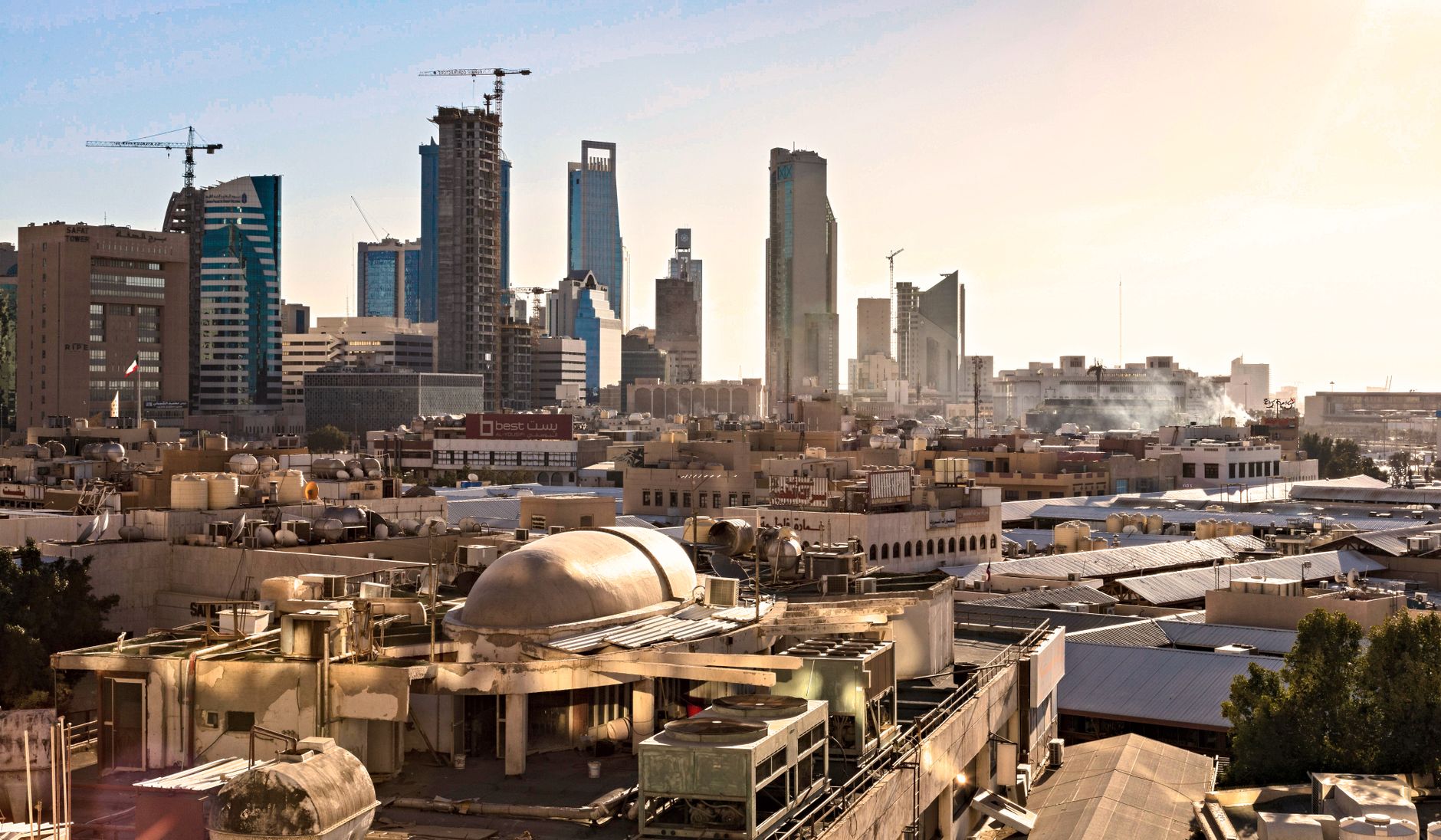
India-Middle East Economic Corridor is gaining traction as a vital alternative to regional chokepoints, backed by significant endorsements.
Overview of the India-Middle East Economic Corridor
The India-Middle East Economic Corridor (IMEC) has emerged as a significant strategic initiative aimed at enhancing connectivity and fostering economic growth across the region. This corridor is envisioned as a vital alternative to traditional chokepoints, which have often been susceptible to geopolitical tensions and trade disruptions.
IMEC is designed to facilitate trade and investment flows between India and the Middle East, thereby promoting economic integration. With an extensive network of roads, railways, and shipping lanes, the corridor is expected to streamline logistics and shorten transit times for goods moving between these regions.
Key features of the India-Middle East Economic Corridor include:
- Enhanced Connectivity: The corridor aims to connect major ports and cities in India, the Gulf states, and beyond.
- Economic Growth: By boosting trade, IMEC is anticipated to stimulate economic development and create job opportunities.
- Regional Collaboration: The initiative encourages cooperation among countries in the region, strengthening diplomatic and economic ties.
As global trade dynamics evolve, the India-Middle East Economic Corridor stands out as a forward-thinking solution to modern challenges, positioning itself as a cornerstone for future economic collaboration.
Trump’s Support for the Corridor
Former President Donald Trump has expressed strong support for the India-Middle East Economic Corridor, emphasizing its potential as a vital alternative to traditional regional chokepoints. In recent statements, Trump highlighted the corridor’s ability to enhance trade and connectivity between India and the Middle East, thereby strengthening economic ties and promoting regional stability.
Trump’s endorsement aligns with broader geopolitical interests, as the corridor is seen as a strategic initiative that can facilitate smoother transport routes and reduce dependency on congested maritime pathways. He stated, “The India-Middle East Economic Corridor is not just an economic project; it is a transformative initiative that can reshape global trade dynamics.” This sentiment reflects a growing recognition of the corridor’s significance in the context of shifting trade patterns.
As nations seek alternatives to established routes, the India-Middle East Economic Corridor could serve as a critical link in addressing supply chain vulnerabilities. Key benefits that proponents highlight include:
- Enhanced trade efficiency: Shorter and more reliable routes for goods.
- Increased investment opportunities: Potential for infrastructure development and economic growth.
- Strengthened alliances: Closer diplomatic ties among participating countries.
With Trump advocating for this initiative, the corridor may gain momentum in international discussions on trade and economic cooperation.
Impact on Regional Trade
The India-Middle East Economic Corridor is poised to significantly influence regional trade dynamics, offering a robust alternative to existing chokepoints. By enhancing connectivity between India and the Middle East, this corridor is expected to streamline trade routes, reduce shipping times, and lower costs for businesses operating in these regions.
Key impacts on regional trade include:
- Increased Trade Volume: The corridor is anticipated to facilitate a surge in trade volumes, allowing for the efficient movement of goods and services across borders.
- Strengthened Economic Ties: By fostering closer economic partnerships between India and Middle Eastern nations, the corridor can encourage investment and collaboration in various sectors.
- Diversification of Trade Routes: The India-Middle East Economic Corridor offers a new pathway that reduces dependency on traditional routes susceptible to geopolitical tensions.
- Enhanced Supply Chain Resilience: Businesses can expect improved supply chain reliability, as the corridor mitigates risks associated with chokepoints.
- Promotion of New Markets: The corridor opens up opportunities for Indian businesses to access emerging markets in the Middle East, expanding their reach globally.
Overall, the India-Middle East Economic Corridor represents a strategic shift towards more secure and efficient trade practices, benefiting economies across the region.
Challenges Facing the Corridor
The India-Middle East Economic Corridor faces several challenges that could impede its development and effectiveness. Addressing these hurdles is crucial for realizing the corridor’s potential as a vital alternative to existing regional chokepoints.
- Geopolitical Tensions: Ongoing conflicts and rivalries in the Middle East can create instability, making it difficult to establish reliable trade routes.
- Infrastructure Limitations: The current state of infrastructure in some regions may not support the ambitious projects envisioned under the corridor, requiring significant investment and coordination.
- Regulatory Hurdles: Differing regulations and trade policies among participating countries can complicate logistics and deter investment in the corridor.
- Financial Challenges: Securing funding for large-scale infrastructure projects poses a significant obstacle, especially in a region with fluctuating economic conditions.
- Environmental Concerns: Development initiatives must also address environmental sustainability to avoid adverse impacts on local ecosystems, which can lead to public resistance.
Despite these challenges, the India-Middle East Economic Corridor represents a promising opportunity for enhanced connectivity and economic growth. Collaborative efforts among nations involved will be essential to navigate these issues and ensure the corridor’s success.
Future Prospects of Economic Cooperation
The future prospects of the India-Middle East Economic Corridor look promising, with various factors contributing to its potential success. As global trade dynamics evolve, the corridor presents a strategic alternative to traditional chokepoints that often face geopolitical tensions and logistical delays.
Key aspects that will shape the future of this economic corridor include:
- Infrastructure Development: Continued investment in infrastructure is essential. Enhancements in transportation and logistics will facilitate smoother trade routes, boosting connectivity between India and the Middle East.
- Technological Advancements: The integration of technology in trade processes can streamline operations, reduce costs, and improve efficiency, making the corridor more attractive to businesses.
- Regional Stability: The success of the corridor will also depend on political stability in the region. Collaborative efforts among participating nations can help in mitigating risks associated with conflicts.
- Trade Agreements: Expanding trade agreements between India and Middle Eastern countries could further enhance economic cooperation, leading to mutual benefits and increased investment.
As these elements come into play, the India-Middle East Economic Corridor has the potential to significantly boost regional economies and establish a robust framework for future collaboration.
Comparative Analysis with Other Routes
The India-Middle East Economic Corridor is emerging as a strategic alternative to traditional trade routes that have long been vulnerable to geopolitical tensions and logistical bottlenecks. A comparative analysis with other major routes highlights its potential advantages.
- Route Length and Efficiency: Compared to existing pathways like the Suez Canal, the India-Middle East Economic Corridor offers a shorter and more direct connection between South Asia, the Middle East, and Europe. This efficiency could reduce transit times and lower shipping costs.
- Geopolitical Stability: The corridor aims to bypass chokepoints that are often subject to conflict or piracy, such as the Strait of Hormuz. By providing an alternative route, it enhances trade security for participating nations.
- Infrastructure Development: Investment in infrastructure along the India-Middle East Economic Corridor promises to stimulate economic growth in the region. This includes upgrading ports, roads, and rail networks, which can facilitate smoother trade flows.
- Environmental Considerations: The corridor is designed to promote sustainable transportation practices, potentially offering a greener alternative to more congested routes that contribute heavily to carbon emissions.
Overall, the India-Middle East Economic Corridor stands out not only for its logistical advantages but also for its potential to foster regional cooperation and economic resilience.
Photo by Tayssir Kadamany on Pexels

Leave a Reply