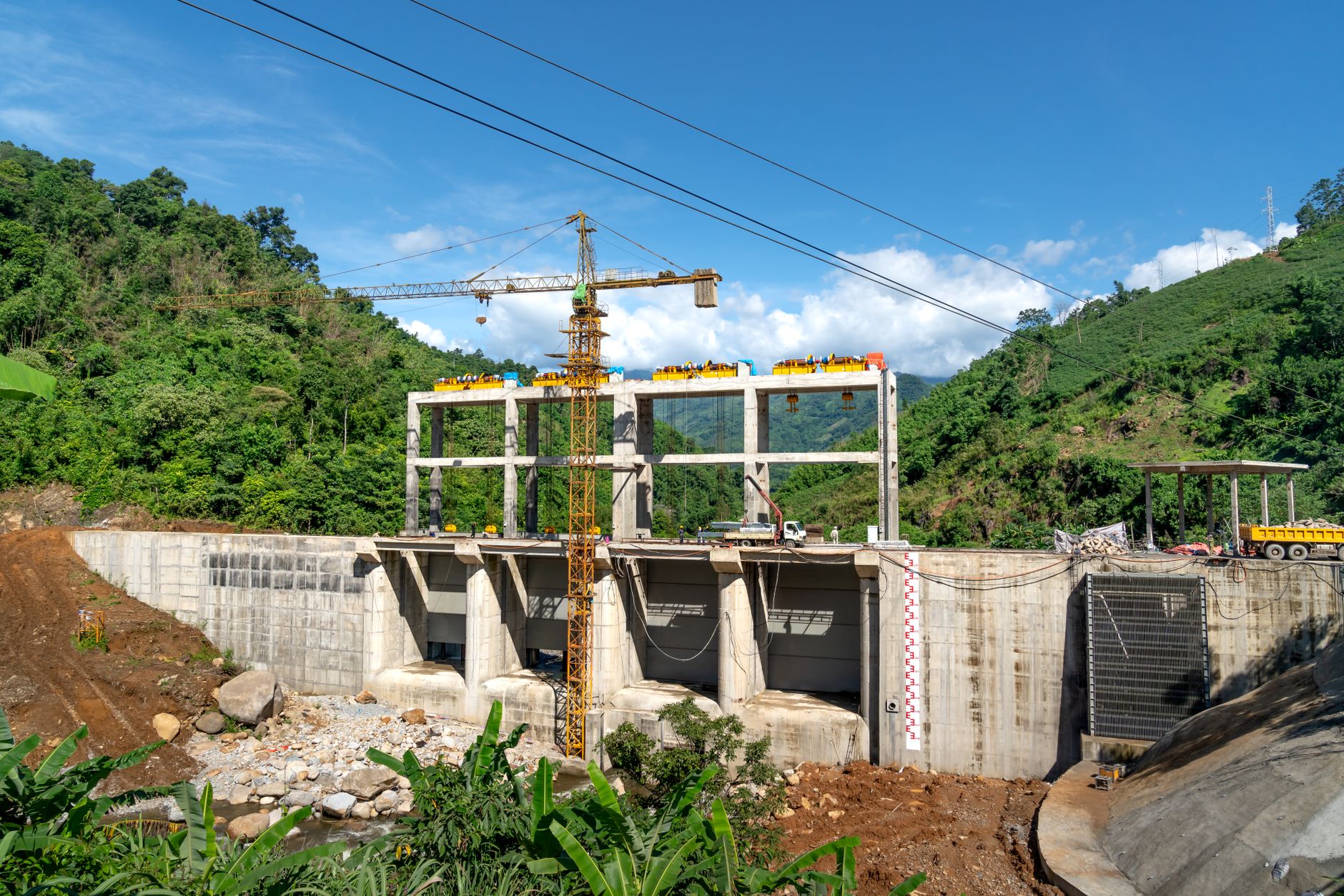
The Dibang Multipurpose Project is set to revolutionize flood control in Assam. This ambitious initiative aims to mitigate flooding issues while boosting infrastructure development in the region.
Overview of the Dibang Multipurpose Project
The Dibang Multipurpose Project is a significant infrastructure initiative located in Arunachal Pradesh, India. Designed to address various challenges, this project aims to harness the vast potential of the Dibang River. By constructing the tallest dam in India, the project seeks to provide multiple benefits, particularly in flood control for the neighboring state of Assam.
The key objectives of the Dibang Multipurpose Project include:
- Flood Management: By regulating the flow of the Dibang River, the dam is expected to mitigate the risk of flooding in Assam, which has been historically prone to severe flood events.
- Hydropower Generation: The project will generate a significant amount of renewable energy, contributing to the country’s energy security and reducing reliance on fossil fuels.
- Water Supply: The project aims to ensure a stable water supply for irrigation and domestic use in the surrounding regions, enhancing agricultural productivity.
Overall, the Dibang Multipurpose Project represents a strategic investment in infrastructure, with the potential to transform flood management and energy generation in northeast India.
How the Project Will Control Assam Floods
The Dibang Multipurpose Project is poised to significantly mitigate the flooding issues that Assam faces annually. By constructing India’s tallest dam, the project aims to harness the waters of the Dibang River, which flows into the Brahmaputra, to regulate water flow and reduce flood risks.
This initiative is essential for several reasons:
- Water Storage: The project will create a substantial reservoir, allowing for better management of excess rainwater during the monsoon season.
- Flood Control: By controlling the release of water from the reservoir, the project will help manage downstream flood conditions, thereby protecting vulnerable areas in Assam.
- Irrigation Support: The stored water can also be used for irrigation, ensuring that agricultural lands receive sufficient moisture throughout the year.
- Hydropower Generation: The dam will generate renewable energy, supporting local economies and reducing reliance on fossil fuels.
In conclusion, the Dibang Multipurpose Project serves as a smart solution not only for flood control but also for sustainable development in the region.
Benefits of the Dibang Dam
The Dibang Multipurpose Project promises a myriad of benefits for the region, particularly in mitigating the impact of floods in Assam. This ambitious initiative is designed not only to control water flow but also to enhance the overall quality of life for local communities.
One of the primary advantages of the Dibang Dam is its potential to provide a reliable source of hydroelectric power. By harnessing the energy of the Dibang River, the project aims to generate significant electricity, contributing to the region’s energy needs and reducing dependence on fossil fuels.
Additionally, the dam will play a crucial role in irrigation, ensuring that agricultural lands receive adequate water supply throughout the year. This transformation could lead to improved crop yields and food security for the local population.
Moreover, the Dibang Multipurpose Project is expected to stimulate economic growth by creating job opportunities during both the construction phase and operational periods. With increased tourism possibilities in the area, the project could also enhance the local economy.
In conclusion, the benefits of the Dibang Dam extend far beyond flood control, promising a brighter future for Assam and its inhabitants.
Challenges and Concerns Surrounding the Project
The Dibang Multipurpose Project, while promising significant benefits, also faces a range of challenges and concerns that must be addressed for its successful implementation. One of the primary challenges is the environmental impact. The construction of the dam could disrupt local ecosystems, affecting flora and fauna in the region.
Additionally, there are apprehensions regarding the displacement of local communities. Many residents may need to relocate, raising questions about compensation and rehabilitation. The project must ensure that the rights and livelihoods of these individuals are adequately protected.
There are also concerns about the potential for geological instability, given that the project site is located in a seismically active region. This raises questions about the long-term safety of the dam and the surrounding areas.
Furthermore, the Dibang Multipurpose Project may face opposition from environmental activists and local groups who advocate for sustainable development. It is crucial for project developers to engage with these stakeholders to address their concerns and foster a collaborative approach.
In summary, the successful execution of the Dibang Multipurpose Project will depend on overcoming these challenges while prioritizing environmental sustainability and community welfare.
Photo by Quang Nguyen Vinh on Pexels

Leave a Reply