India-Middle East Economic Corridor: Smart Alternative to Chokepoints

India-Middle East Economic Corridor

India-Middle East Economic Corridor is gaining traction as a vital alternative to regional chokepoints, backed by significant endorsements.

Overview of the India-Middle East Economic Corridor

The India-Middle East Economic Corridor (IMEC) has emerged as a significant strategic initiative aimed at enhancing connectivity and fostering economic growth across the region. This corridor is envisioned as a vital alternative to traditional chokepoints, which have often been susceptible to geopolitical tensions and trade disruptions.

IMEC is designed to facilitate trade and investment flows between India and the Middle East, thereby promoting economic integration. With an extensive network of roads, railways, and shipping lanes, the corridor is expected to streamline logistics and shorten transit times for goods moving between these regions.

Key features of the India-Middle East Economic Corridor include:

  • Enhanced Connectivity: The corridor aims to connect major ports and cities in India, the Gulf states, and beyond.
  • Economic Growth: By boosting trade, IMEC is anticipated to stimulate economic development and create job opportunities.
  • Regional Collaboration: The initiative encourages cooperation among countries in the region, strengthening diplomatic and economic ties.

As global trade dynamics evolve, the India-Middle East Economic Corridor stands out as a forward-thinking solution to modern challenges, positioning itself as a cornerstone for future economic collaboration.

Trump’s Support for the Corridor

Former President Donald Trump has expressed strong support for the India-Middle East Economic Corridor, emphasizing its potential as a vital alternative to traditional regional chokepoints. In recent statements, Trump highlighted the corridor’s ability to enhance trade and connectivity between India and the Middle East, thereby strengthening economic ties and promoting regional stability.

Trump’s endorsement aligns with broader geopolitical interests, as the corridor is seen as a strategic initiative that can facilitate smoother transport routes and reduce dependency on congested maritime pathways. He stated, “The India-Middle East Economic Corridor is not just an economic project; it is a transformative initiative that can reshape global trade dynamics.” This sentiment reflects a growing recognition of the corridor’s significance in the context of shifting trade patterns.

As nations seek alternatives to established routes, the India-Middle East Economic Corridor could serve as a critical link in addressing supply chain vulnerabilities. Key benefits that proponents highlight include:

  • Enhanced trade efficiency: Shorter and more reliable routes for goods.
  • Increased investment opportunities: Potential for infrastructure development and economic growth.
  • Strengthened alliances: Closer diplomatic ties among participating countries.

With Trump advocating for this initiative, the corridor may gain momentum in international discussions on trade and economic cooperation.

Impact on Regional Trade

The India-Middle East Economic Corridor is poised to significantly influence regional trade dynamics, offering a robust alternative to existing chokepoints. By enhancing connectivity between India and the Middle East, this corridor is expected to streamline trade routes, reduce shipping times, and lower costs for businesses operating in these regions.

Key impacts on regional trade include:

  • Increased Trade Volume: The corridor is anticipated to facilitate a surge in trade volumes, allowing for the efficient movement of goods and services across borders.
  • Strengthened Economic Ties: By fostering closer economic partnerships between India and Middle Eastern nations, the corridor can encourage investment and collaboration in various sectors.
  • Diversification of Trade Routes: The India-Middle East Economic Corridor offers a new pathway that reduces dependency on traditional routes susceptible to geopolitical tensions.
  • Enhanced Supply Chain Resilience: Businesses can expect improved supply chain reliability, as the corridor mitigates risks associated with chokepoints.
  • Promotion of New Markets: The corridor opens up opportunities for Indian businesses to access emerging markets in the Middle East, expanding their reach globally.

Overall, the India-Middle East Economic Corridor represents a strategic shift towards more secure and efficient trade practices, benefiting economies across the region.

Challenges Facing the Corridor

The India-Middle East Economic Corridor faces several challenges that could impede its development and effectiveness. Addressing these hurdles is crucial for realizing the corridor’s potential as a vital alternative to existing regional chokepoints.

  • Geopolitical Tensions: Ongoing conflicts and rivalries in the Middle East can create instability, making it difficult to establish reliable trade routes.
  • Infrastructure Limitations: The current state of infrastructure in some regions may not support the ambitious projects envisioned under the corridor, requiring significant investment and coordination.
  • Regulatory Hurdles: Differing regulations and trade policies among participating countries can complicate logistics and deter investment in the corridor.
  • Financial Challenges: Securing funding for large-scale infrastructure projects poses a significant obstacle, especially in a region with fluctuating economic conditions.
  • Environmental Concerns: Development initiatives must also address environmental sustainability to avoid adverse impacts on local ecosystems, which can lead to public resistance.

Despite these challenges, the India-Middle East Economic Corridor represents a promising opportunity for enhanced connectivity and economic growth. Collaborative efforts among nations involved will be essential to navigate these issues and ensure the corridor’s success.

Future Prospects of Economic Cooperation

The future prospects of the India-Middle East Economic Corridor look promising, with various factors contributing to its potential success. As global trade dynamics evolve, the corridor presents a strategic alternative to traditional chokepoints that often face geopolitical tensions and logistical delays.

Key aspects that will shape the future of this economic corridor include:

  • Infrastructure Development: Continued investment in infrastructure is essential. Enhancements in transportation and logistics will facilitate smoother trade routes, boosting connectivity between India and the Middle East.
  • Technological Advancements: The integration of technology in trade processes can streamline operations, reduce costs, and improve efficiency, making the corridor more attractive to businesses.
  • Regional Stability: The success of the corridor will also depend on political stability in the region. Collaborative efforts among participating nations can help in mitigating risks associated with conflicts.
  • Trade Agreements: Expanding trade agreements between India and Middle Eastern countries could further enhance economic cooperation, leading to mutual benefits and increased investment.

As these elements come into play, the India-Middle East Economic Corridor has the potential to significantly boost regional economies and establish a robust framework for future collaboration.

Comparative Analysis with Other Routes

The India-Middle East Economic Corridor is emerging as a strategic alternative to traditional trade routes that have long been vulnerable to geopolitical tensions and logistical bottlenecks. A comparative analysis with other major routes highlights its potential advantages.

  • Route Length and Efficiency: Compared to existing pathways like the Suez Canal, the India-Middle East Economic Corridor offers a shorter and more direct connection between South Asia, the Middle East, and Europe. This efficiency could reduce transit times and lower shipping costs.
  • Geopolitical Stability: The corridor aims to bypass chokepoints that are often subject to conflict or piracy, such as the Strait of Hormuz. By providing an alternative route, it enhances trade security for participating nations.
  • Infrastructure Development: Investment in infrastructure along the India-Middle East Economic Corridor promises to stimulate economic growth in the region. This includes upgrading ports, roads, and rail networks, which can facilitate smoother trade flows.
  • Environmental Considerations: The corridor is designed to promote sustainable transportation practices, potentially offering a greener alternative to more congested routes that contribute heavily to carbon emissions.

Overall, the India-Middle East Economic Corridor stands out not only for its logistical advantages but also for its potential to foster regional cooperation and economic resilience.

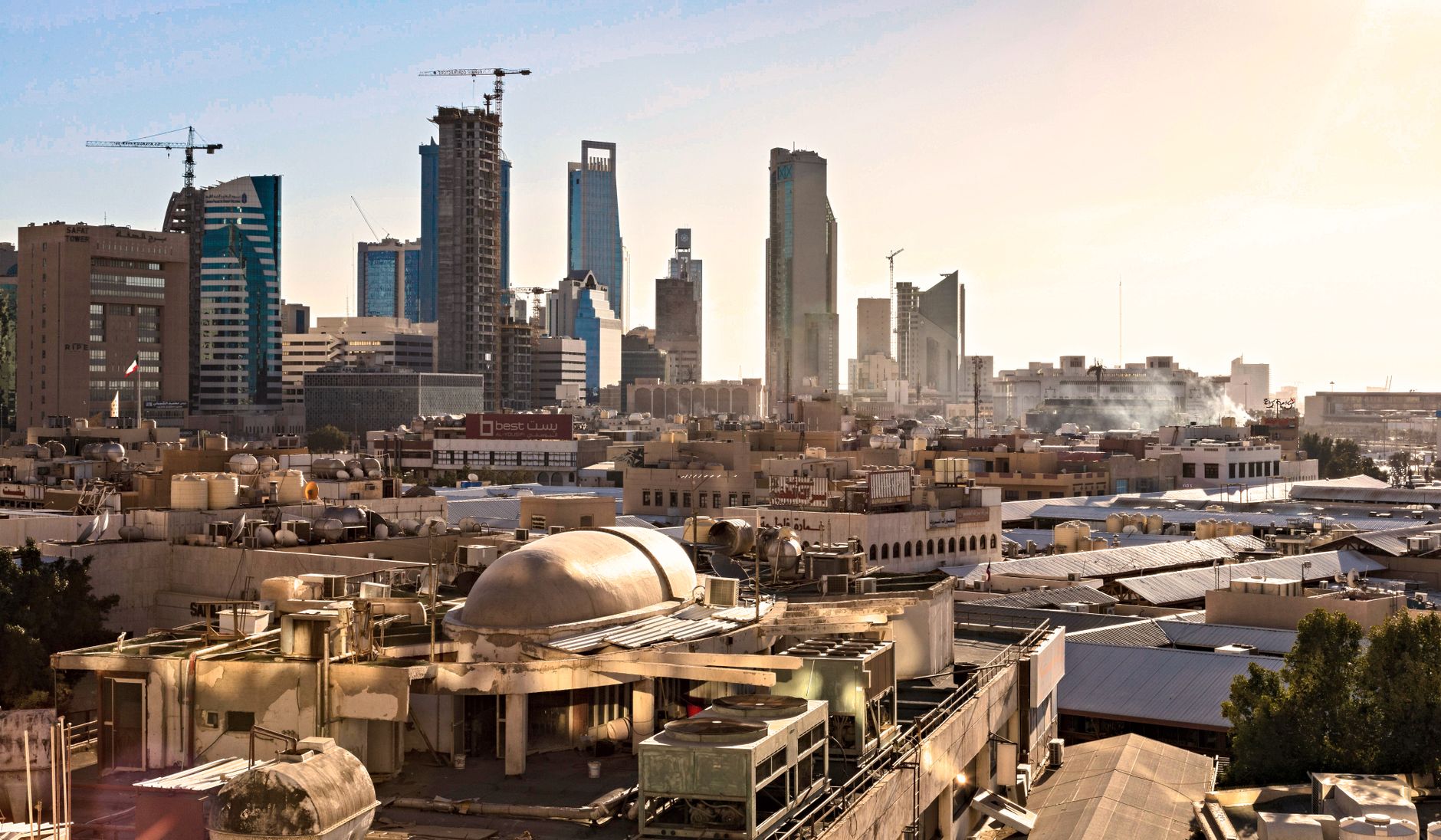
Photo by Tayssir Kadamany on Pexels

References

Related reading

Xi India visit: The Real Impact on Diplomatic Relations

Xi India visit

The Xi India visit is set to play a crucial role in reshaping diplomatic relations between the two nations. As tensions persist, the focus will be on how this visit influences both diplomacy and business ties.

Overview of Xi’s India Visit

Chinese President Xi Jinping’s recent visit to India marks a pivotal moment in the evolving landscape of diplomatic relations between the two nations. The Xi India visit aims to address longstanding tensions and foster a more cooperative approach to regional challenges.

During this visit, key topics were highlighted, including:

  • Border Disputes: Efforts to resolve ongoing territorial issues that have historically strained relations.
  • Economic Cooperation: Discussions focused on enhancing trade ties and investment opportunities.
  • Climate Change: A mutual commitment to collaborating on environmental initiatives crucial for both countries.

Despite these discussions, underlying suspicions regarding business ties persist. Many analysts view the Xi India visit as a step towards a diplomatic thaw, yet caution that economic partnerships may require further trust-building. The complexities of both nations’ geopolitical ambitions continue to influence their interactions.

The visit is seen as a crucial opportunity to redefine the bilateral relationship, but the fundamental challenges remain, requiring sustained dialogue and cooperation to achieve lasting results.

Historical Context of China-India Relations

The historical context of China-India relations is marked by both collaboration and contention, shaping the backdrop for the recent Xi India visit. Since gaining independence, both nations have navigated a complex relationship characterized by territorial disputes, economic competition, and cultural exchanges.

Significantly, the 1962 Sino-Indian War left deep scars, leading to a prolonged period of mistrust. However, the two countries began to engage more actively in the late 20th century, with a focus on economic cooperation and trade. This shift was evident when bilateral trade saw exponential growth, lifting millions out of poverty.

Despite these advancements, underlying tensions remain. Issues such as border disputes in Arunachal Pradesh and Aksai Chin continue to fuel skepticism. The recent Xi India visit, aimed at fostering dialogue, reflects an attempt to bridge these gaps. Yet, economic ties are often overshadowed by a lack of mutual trust, complicating efforts for deeper integration.

As both nations face global challenges, the importance of a stable relationship cannot be understated, making the outcomes of Xi’s diplomatic outreach critical for future engagements.

Impact on Business Ties

The recent Xi India visit has the potential to reshape business ties between the two nations, although underlying suspicions remain. Economic partnerships have historically been challenged by political disagreements, and this visit aims to initiate dialogue and explore avenues for collaboration.

During the visit, both leaders discussed several key areas that could enhance trade relations, including:

  • Technology Exchange: Opportunities in technology transfer and innovation were highlighted, particularly in the fields of renewable energy and digital infrastructure.
  • Trade Agreements: There is potential for revisiting existing trade agreements to make them more favorable for both sides, which could lead to increased exports and imports.
  • Investment Opportunities: The visit opened discussions about Chinese investments in Indian infrastructure projects, which could create jobs and stimulate economic growth.

However, skepticism persists regarding the long-term impact of the Xi India visit on business ties. Many experts warn that without addressing the core issues of trust and security, meaningful collaboration may be limited, making it essential for both nations to build a framework of mutual respect and understanding.

Diplomatic Thaw Potential

The recent Xi India visit has sparked discussions among diplomats and analysts regarding the potential for a diplomatic thaw between the two nations. Historical tensions have long characterized China-India relations, often rooted in border disputes and geopolitical rivalries. However, the current visit may signify a shift towards more constructive dialogue.

Several key factors contribute to this potential thaw:

  • High-Level Engagement: The meeting between Xi and Indian officials demonstrates a willingness to engage at the highest levels, which could pave the way for more fruitful discussions.
  • Shared Interests: Both countries face similar challenges, including economic recovery post-pandemic and regional security issues, making collaboration increasingly attractive.
  • Cultural Exchanges: Initiatives aimed at fostering cultural understanding may help ease long-standing suspicions and build trust between the two populations.

While the Xi India visit may not resolve all existing issues, it represents a crucial step towards improved relations. Observers remain cautiously optimistic that this visit could lead to a more stable and cooperative relationship, provided both sides remain committed to ongoing dialogue.

Public Sentiment in India

The public sentiment in India regarding Xi’s India visit has been largely mixed, reflecting the complex history between the two nations. Many citizens view the visit with skepticism, stemming from past border disputes and ongoing tensions. Recent surveys indicate that a significant portion of the population remains wary of China’s intentions, even as diplomatic overtures are made.

There are several factors influencing public opinion:

  • Border Conflicts: The unresolved issues from the 1962 Sino-Indian War continue to loom large in the minds of many Indians, fostering distrust.
  • Economic Concerns: Despite the potential for enhanced business ties, fears about reliance on Chinese imports persist, with many advocating for self-sufficiency.
  • Nationalism: Growing nationalist sentiments have led to calls for a more assertive stance towards China, complicating any positive reception of Xi’s visit.

However, there are also voices of optimism who believe that Xi’s India visit might pave the way for greater cooperation. Some citizens hope for improved cultural exchanges and economic collaboration, recognizing the interdependence that global politics demands.

China’s Strategic Interests

China’s strategic interests in strengthening ties with India during Xi’s India visit are multifaceted and significant. As the two largest economies in Asia, their relationship holds substantial weight in regional and global geopolitics. Key areas of focus include:

  • Trade and Investment: Enhancing economic cooperation can lead to increased trade volumes, benefiting both nations. China views India as a crucial market for its goods and services.
  • Infrastructure Development: China’s Belt and Road Initiative aims to improve connectivity with India, fostering investment opportunities and strengthening economic ties.
  • Regional Security: Cooperation between these two nations is critical for addressing regional security challenges, including terrorism and border disputes.
  • Climate Change: Both countries face significant environmental challenges, and collaboration in this area can lead to shared technological advancements and sustainable practices.

The Xi India visit underscores China’s recognition of India’s growing geopolitical influence and the necessity of fostering a cooperative relationship. However, lingering suspicions and historical tensions may complicate efforts to fully realize these strategic interests.

Future of India-China Relations

The future of India-China relations remains a complex and nuanced topic, especially in light of Xi’s India visit. While the diplomatic thaw initiated during this visit may pave the way for enhanced communication and understanding, significant challenges persist.

Both nations must navigate a landscape marked by historical tensions and competing interests. Key issues that will influence their relationship include:

  • Border Disputes: Ongoing conflicts regarding territorial boundaries continue to generate mistrust, requiring careful negotiation and dialogue.
  • Trade Dynamics: Economic interdependence exists, yet suspicions surrounding trade practices and policies create barriers to deeper collaboration.
  • Regional Influence: Both countries are vying for dominance in South Asia and beyond, complicating cooperative efforts.
  • Global Alliances: As both nations align with various international partners, their respective geopolitical strategies may impact bilateral relations.

Ultimately, the success of Xi’s India visit in fostering a more cooperative framework will depend on the willingness of both countries to address their differences openly and constructively. A cautious optimism exists, but the path ahead is uncertain.

The Xi India visit has sparked discussions about the future of Sino-Indian relations. Analysts believe that the outcomes of the Xi India visit could reshape diplomatic strategies in the region.

Photo by Subhrajyoti Paul on Pexels

Where this came from

The China-Global South Project

More on this site

Brigade housing project: Best investment opportunity in 2023 · Complete Planning, Preparation, and Design Tips for Patio Paver Installation · Is the iPhone 18 launch event the best way to watch?

India Bullet Train project: Quick progress on test coach

India Bullet Train project

India Bullet Train project is advancing rapidly, with the first test coach now ready, as highlighted by Ashwini Vaishnaw. This marks a significant milestone in India’s infrastructure development.

Overview of India’s Bullet Train project

The India Bullet Train project marks a significant advancement in the country’s railway infrastructure, aiming to revolutionize high-speed travel. This ambitious initiative is being developed with the assistance of Japan and is expected to connect Mumbai and Ahmedabad with a state-of-the-art, high-speed rail line.

As part of the project’s rapid progression, the first test coach has recently been completed. Ashwini Vaishnaw, the Union Minister for Railways, has confirmed that this milestone is a crucial step towards operationalizing the bullet train service. The completion of the test coach signifies the readiness for extensive trials that will ensure safety and efficiency.

Key features of the India Bullet Train project include:

  • High-Speed Travel: The train is expected to reach speeds of up to 320 kilometers per hour.
  • Modern Technology: Incorporation of advanced signaling and safety systems.
  • Environmental Considerations: A focus on sustainability and energy efficiency.

Overall, the India Bullet Train project is poised to enhance connectivity and transform the travel experience for millions.

Key milestones achieved so far

The India Bullet Train project has seen significant progress in recent months, marking key milestones that demonstrate the commitment to modernize the country’s rail infrastructure. The following achievements have been highlighted:

  • Completion of the test coach: The first test coach for the Bullet Train has been successfully completed and is ready for trials, showcasing the engineering capabilities involved in this ambitious project.
  • Track laying progress: Over 60% of the track for the high-speed rail corridor has been laid, which is a crucial step towards operational readiness.
  • Land acquisition: The majority of land required for the project has been acquired, ensuring that construction can proceed without significant delays.
  • International collaboration: Partnerships with Japanese firms have been solidified, bringing in expertise and technology essential for the Bullet Train’s development.
  • Employment opportunities: The project has generated thousands of jobs, contributing to local economies along the corridor.

These milestones reflect the rapid advancement of the India Bullet Train project, promising a transformative impact on travel and connectivity in the region.

First test coach details

The India Bullet Train project has reached a significant milestone with the completion of its first test coach. This development demonstrates the rapid progress being made in the ambitious railway initiative, which aims to revolutionize high-speed travel across the country.

The test coach features several cutting-edge design elements and technological advancements. Key specifications include:

  • Speed Capability: Designed to operate at speeds exceeding 320 km/h, the coach will undergo rigorous testing to ensure safety and performance.
  • Modern Amenities: Passengers can expect state-of-the-art facilities, including ergonomic seating, high-speed Wi-Fi, and improved air conditioning.
  • Safety Features: Equipped with advanced safety technologies, the coach aims to provide a secure travel experience.

Officials, including Railway Minister Ashwini Vaishnaw, have expressed optimism about the India Bullet Train project, emphasizing that the successful testing of this coach is a crucial step towards operationalizing high-speed rail services in India.

Future implications for transportation

The India Bullet Train project is poised to revolutionize the country’s transportation landscape, offering significant implications for both commuters and the economy. As the project progresses, it aims to reduce travel time between major cities, allowing for quicker and more efficient movement of people and goods.

With the introduction of high-speed trains, India can expect:

  • Increased Connectivity: Enhanced links between urban centers will foster greater economic activity and accessibility.
  • Environmental Benefits: High-speed rail is a more sustainable alternative to road and air travel, contributing to reduced carbon emissions.
  • Job Creation: The construction and operation of bullet trains are expected to generate numerous employment opportunities in various sectors.
  • Boost to Tourism: Faster travel options can attract more tourists, enhancing local economies.

In summary, the forward momentum of the India Bullet Train project signifies not just a transportation upgrade but also a transformative step towards building a more interconnected and sustainable future.

Government’s vision for high-speed rail

The Indian government’s vision for high-speed rail is centered around the ambitious India Bullet Train project, which aims to revolutionize the nation’s transportation infrastructure. By introducing advanced bullet train technology, the government hopes to significantly reduce travel time between major cities, enhancing connectivity and boosting economic growth.

This vision is not just about speed; it also emphasizes sustainability and modernization. The project is expected to use energy-efficient technologies, which aligns with India’s commitment to reducing carbon emissions and promoting green energy solutions. Furthermore, the bullet train system is anticipated to create numerous job opportunities during both the construction and operational phases, thereby contributing to local economies.

In addition to improving travel efficiency, the high-speed rail network will encourage tourism and facilitate smoother logistics across the country. The government’s proactive approach, as demonstrated by the swift progress on the test coach, reflects its determination to make the India Bullet Train project a reality. With continued investment and support, the vision of a connected India through high-speed rail is closer than ever.

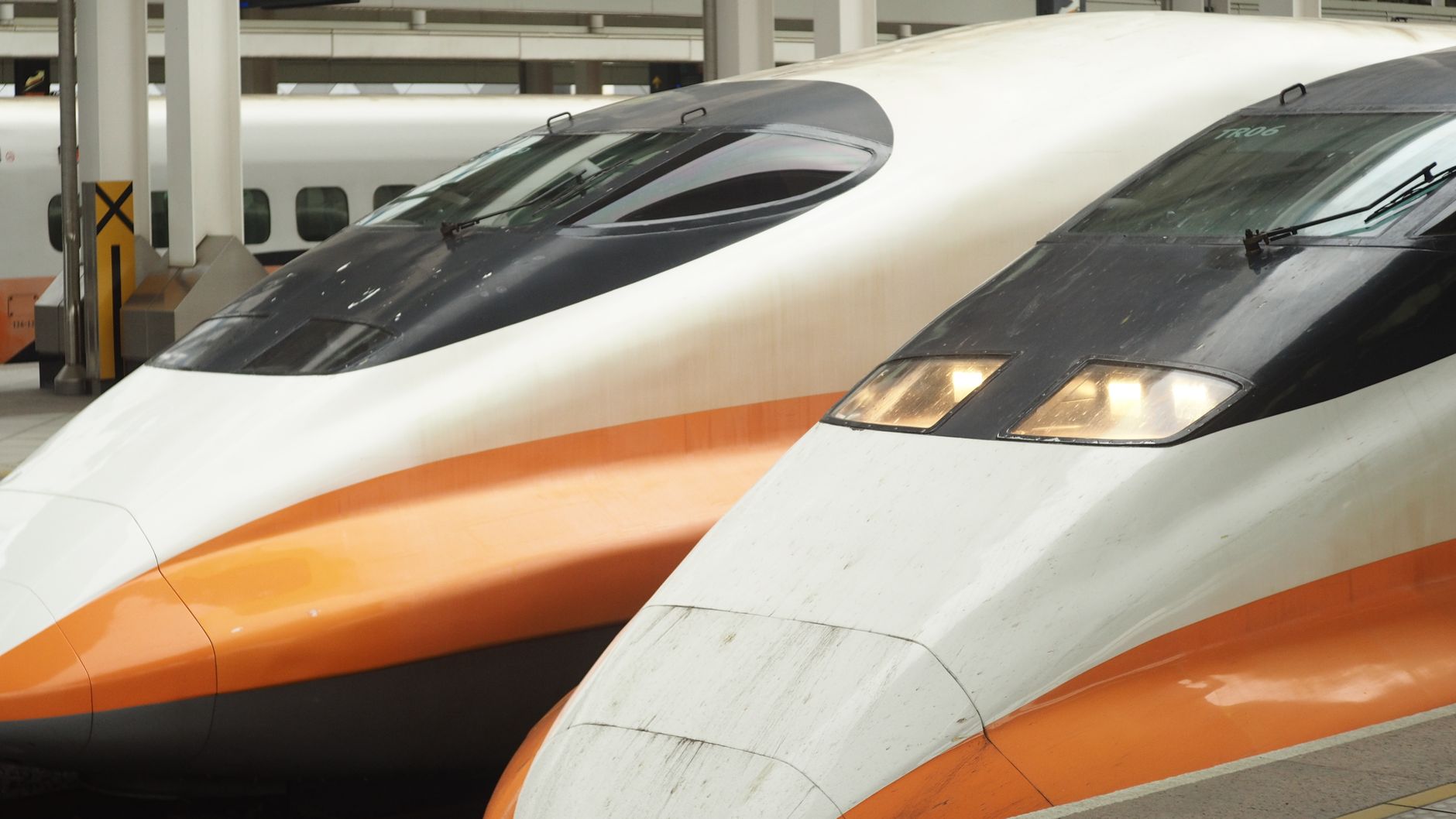
Photo by mingche lee on Pexels

References

Related stories