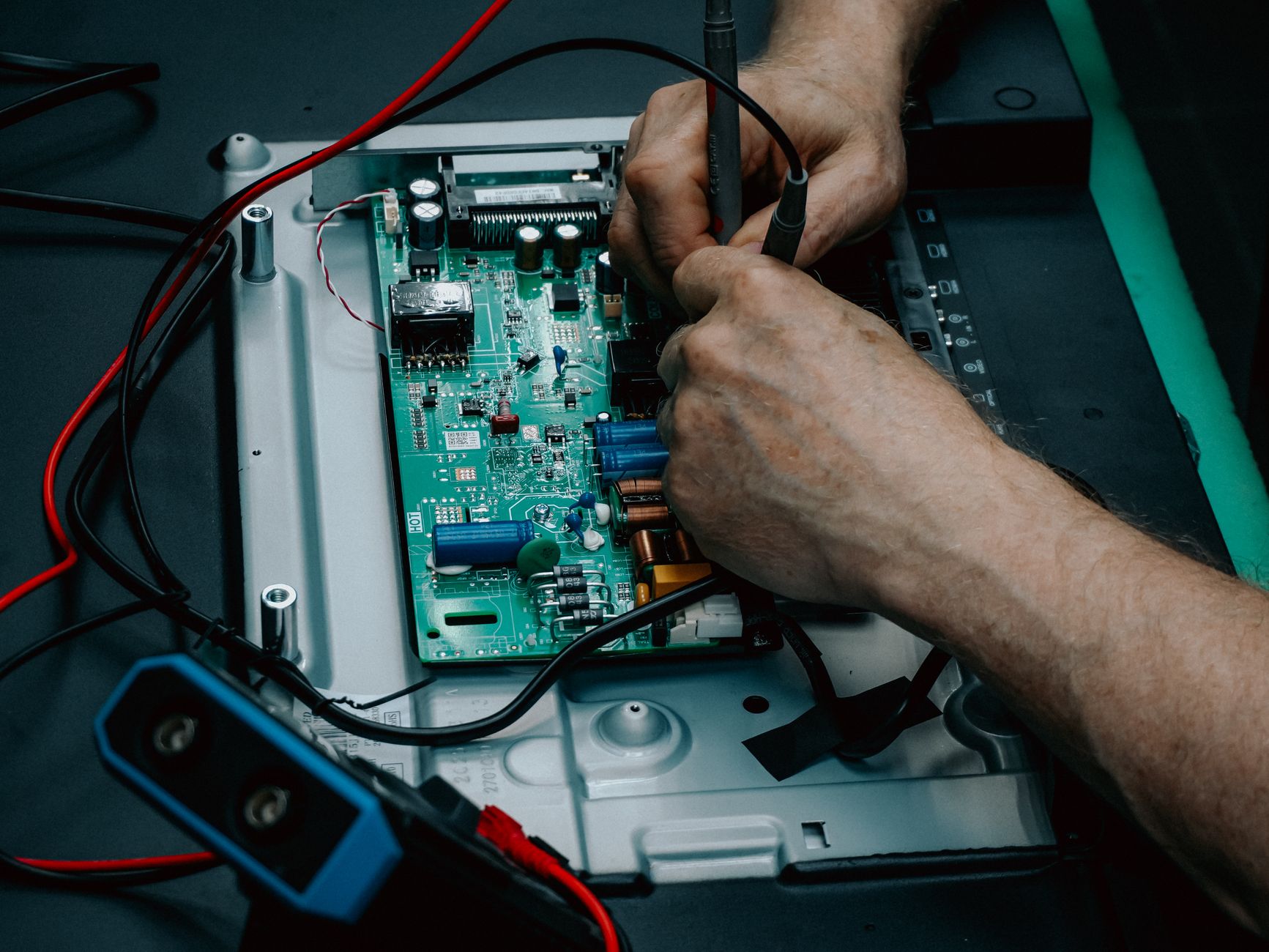
AIoT smart PCBA is revolutionizing the way devices connect and operate in smart homes. Quectel’s latest launch promises to enhance performance significantly.
What is AIoT smart PCBA?
The term AIoT smart PCBA refers to the integration of Artificial Intelligence (AI) and the Internet of Things (IoT) within printed circuit board assemblies (PCBA). This innovative approach aims to enhance the capabilities of modern electronic devices, enabling them to process data intelligently and communicate seamlessly with other devices over the internet.
At its core, AIoT smart PCBA combines advanced technologies, allowing devices to perform tasks that were previously unimaginable. With built-in AI algorithms, these smart PCBA solutions can analyze data in real time, leading to improved decision-making and automation of processes.
Some key features of AIoT smart PCBA include:
- Enhanced Connectivity: Facilitates communication between devices and the cloud, supporting various communication protocols.
- Data Processing: Capable of processing large volumes of data locally, reducing latency and bandwidth consumption.
- Energy Efficiency: Designed to optimize power usage, extending the lifespan of battery-operated devices.
- Scalability: Easily adaptable to different applications and industries, making it suitable for a wide range of devices.
With the launch of products like Quectel’s QSM603FCP smart PCBA, the market is witnessing a significant shift towards AIoT solutions, marking a new era in device functionality and interconnectivity.
Key Features of the QSM603FCP
The QSM603FCP smart PCBA is designed to elevate the functionality of AIoT devices through its innovative features. Below are some of the key attributes that make it a standout solution for modern applications:
- Compact Design: The QSM603FCP boasts a space-saving form factor, allowing it to fit seamlessly into various device designs without compromising performance.
- Power Efficiency: Engineered for minimal power consumption, this smart PCBA ensures prolonged battery life, making it ideal for portable AIoT devices.
- Advanced Connectivity: This PCBA supports multiple communication protocols, enabling smooth and reliable connectivity with other devices and networks.
- Robust Performance: With a high processing capability, the QSM603FCP can handle complex computations, enhancing the overall user experience in smart applications.
- Scalability: The flexible architecture of the QSM603FCP allows for easy upgrades and modifications, ensuring adaptability to future technological advancements.
- Enhanced Security: Equipped with advanced security features, this smart PCBA safeguards data integrity and protects against unauthorized access.
These features collectively position the QSM603FCP as a premier choice in the realm of AIoT smart PCBA solutions, catering to the growing demands of modern devices.
Benefits of Using AIoT Devices
The integration of AIoT smart PCBA into modern devices offers numerous advantages that enhance functionality and efficiency. These benefits are critical for manufacturers and consumers alike, driving the adoption of smart technologies across various industries.
- Enhanced Connectivity: AIoT smart PCBA enables seamless communication between devices, facilitating real-time data exchange and remote monitoring. This connectivity is essential for applications in smart homes, healthcare, and industrial automation.
- Improved Energy Efficiency: Devices equipped with AIoT smart PCBA are designed to optimize power consumption. This not only reduces operational costs but also contributes to sustainability efforts by minimizing energy waste.
- Advanced Data Processing: The built-in processing capabilities allow devices to analyze data locally, resulting in faster decision-making and reduced latency. This is particularly beneficial in environments where timely responses are crucial.
- Scalability: AIoT smart PCBA solutions are inherently scalable, making it easier for manufacturers to develop and expand their product lines without significant redesigns. This adaptability is vital in the fast-paced tech market.
- Robust Security Features: With the rise of cyber threats, AIoT smart PCBA incorporates advanced security protocols to protect sensitive data, ensuring user trust and compliance with regulations.
Overall, the benefits of using AIoT devices extend from operational efficiencies to enhanced user experiences, making them an essential component of the modern technological landscape.
How Quectel is Innovating the Market
Quectel is at the forefront of innovation in the AIoT smart PCBA market, setting new standards for efficiency and performance. The company has recently launched the QSM603FCP, a smart PCBA specifically designed to meet the growing demands of AIoT devices across various industries. This new product not only enhances device capabilities but also streamlines the manufacturing process, providing a cost-effective solution for developers.
One of the key innovations introduced by Quectel is the integration of advanced connectivity features within the QSM603FCP. This enables seamless communication between devices and the cloud, ensuring that data can be transmitted and processed in real-time. Such capability is crucial for applications in smart homes, industrial automation, and healthcare.
Furthermore, Quectel has focused on reducing power consumption, allowing AIoT devices to operate longer on a single charge without sacrificing performance. The compact design of the QSM603FCP also allows for easier integration into various device form factors, making it a versatile choice for manufacturers.
In addition to hardware advancements, Quectel is committed to providing robust software support, facilitating easier development and deployment of AIoT applications. This dedication to innovation positions Quectel as a leader in the AIoT smart PCBA landscape, ultimately benefiting manufacturers and consumers alike.
Comparing AIoT Solutions
As the demand for smart devices continues to rise, the variety of AIoT solutions available on the market has grown significantly. Each option offers unique features and capabilities, making it essential for manufacturers to carefully assess their needs. Among the available solutions, AIoT smart PCBA stands out for its versatility and integration capabilities.
When comparing different AIoT solutions, consider the following factors:
- Integration Ease: The ability to seamlessly integrate with existing systems can be a game changer. Many solutions offer APIs and SDKs for straightforward implementation.
- Scalability: Solutions that can easily scale with growing business needs are essential. Flexible architectures allow manufacturers to adapt and expand without significant overhauls.
- Cost Efficiency: Evaluating the total cost of ownership is crucial. Solutions that deliver high performance without breaking the bank provide a better return on investment.
- Support and Community: A strong support network and active community can greatly enhance the user experience. Access to resources and shared knowledge can expedite troubleshooting and development.
When analyzing the landscape of AIoT solutions, it is vital to weigh these factors against the unique requirements of your project. The QSM603FCP smart PCBA from Quectel exemplifies a robust option that meets many of these criteria, positioning it as a top choice for modern devices.
Future Trends in Smart Home Technology
The future of smart home technology is rapidly evolving, with innovations that promise to enhance connectivity and efficiency in everyday devices. As households increasingly adopt smart technology, the integration of AIoT smart PCBA is becoming essential for manufacturers looking to stay competitive.
One significant trend is the growing demand for interoperability among various smart devices. Consumers expect seamless communication between their gadgets, and AIoT solutions are designed to meet this need. With the ability to connect multiple devices through a single platform, AIoT smart PCBA facilitates a more cohesive smart home ecosystem.
Another trend is the rise of energy-efficient devices. As environmental concerns take center stage, manufacturers are focusing on creating products that consume less energy while maintaining performance. AIoT smart PCBA plays a crucial role in this by enabling smarter energy management systems that optimize power usage based on real-time data.
Furthermore, advancements in artificial intelligence are set to transform how smart devices learn and adapt to user preferences. With AI algorithms integrated into the design of AIoT smart PCBA, devices can provide personalized experiences, adjusting settings automatically to enhance user convenience.
In conclusion, the future of smart home technology is bright, with AIoT smart PCBA paving the way for innovative solutions that promise to make our lives easier, more efficient, and more connected.
Photo by Bulat843 🌙 on Pexels
References
More on this site