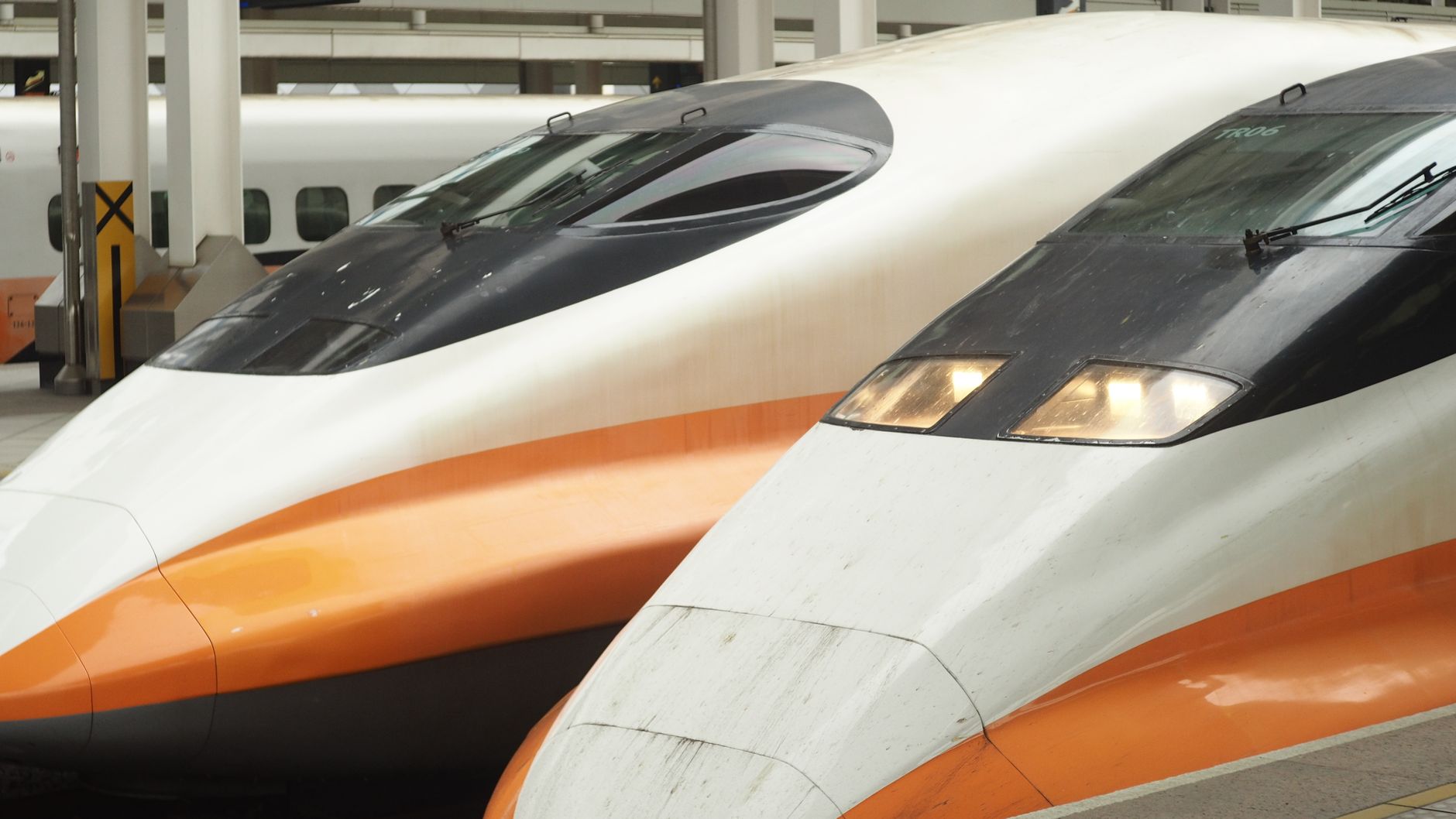
The bullet train corridor extension is a significant development for Assam, promising improved connectivity and economic opportunities. Assam CM Himanta Sarma has praised the approval of this project, which links Delhi to Siliguri and extends to Guwahati.
Overview of the Bullet Train Project
The recently approved bullet train corridor extension from Delhi to Siliguri, which will eventually connect to Guwahati, marks a significant milestone in India’s transportation infrastructure. This project aims to enhance connectivity and reduce travel time across the northeastern states, providing a much-needed boost to the region’s economy.
The bullet train corridor extension is expected to offer several benefits:
- Faster Travel: The new route will drastically cut down travel times, enabling passengers to move between major cities in a fraction of the current duration.
- Economic Growth: Improved connectivity is anticipated to attract investments and promote tourism, thereby creating job opportunities in various sectors.
- Technological Advancement: The introduction of high-speed rail technology will modernize the existing transportation infrastructure, setting a benchmark for future projects.
- Environmental Benefits: Bullet trains are designed to be more energy-efficient compared to traditional rail and road transport, contributing to a reduction in carbon emissions.
As Assam Chief Minister Himanta Sarma stated, this project represents a proven step forward in India’s vision for advanced rail connectivity.
Benefits of the Corridor Extension
The recent approval of the bullet train corridor extension from Delhi to Siliguri, culminating in Guwahati, is poised to bring numerous benefits to the region and its inhabitants. This strategic enhancement to the existing infrastructure is expected to create a ripple effect in various sectors.
Among the key advantages of the corridor extension are:
- Enhanced Connectivity: The bullet train corridor extension will significantly reduce travel time between major cities, promoting tourism and facilitating business opportunities.
- Economic Growth: Improved transportation infrastructure is likely to attract investments, creating jobs and stimulating local economies.
- Environmental Impact: By promoting high-speed rail travel over road and air transport, the extension aims to reduce carbon emissions and contribute to sustainable development.
- Quality of Life: With faster and more efficient travel options, residents will enjoy better access to education, healthcare, and employment prospects.
In conclusion, the bullet train corridor extension is a proven step forward, aligning with the government’s vision for a modern and connected India.
Government Approval Process
The recent approval process for the bullet train corridor extension has marked a significant milestone in India’s transport infrastructure development. The government’s commitment to enhancing connectivity between major cities has been evident through various stages of this initiative.
Key steps in the approval process include:
- Feasibility Studies: Comprehensive assessments were conducted to evaluate the economic viability and environmental impact of the corridor extension.
- Public Consultations: Stakeholder meetings were held to gather feedback from local communities and industry experts, ensuring that the project aligns with public interest.
- Government Endorsement: The project received the green light from multiple state and central government agencies, highlighting its importance in boosting regional development.
Assam Chief Minister Himanta Sarma praised the approval, stating, “Isiliye, Modi kahin nahi jayega,” emphasizing that the extension to Guwahati will bring transformative benefits to the region.
This corridor extension not only promises faster travel times but also aims to stimulate economic growth and improve accessibility across northeastern states.
Impact on Assam’s Economy
The recent approval of the bullet train corridor extension to Guwahati is expected to have a significant impact on Assam’s economy. This ambitious project aims to enhance connectivity and boost trade opportunities in the region.
With the introduction of the bullet train corridor extension, several key benefits are anticipated:
- Job Creation: The construction and operational phases of the bullet train corridor will create thousands of jobs for local residents, providing a much-needed economic boost.
- Increased Tourism: Improved transportation will likely attract tourists, bringing additional revenue to local businesses and enhancing the hospitality sector.
- Trade Facilitation: The corridor extension will streamline the movement of goods, making it easier for businesses in Assam to connect with markets across India.
- Infrastructure Development: The project will also lead to better infrastructure in the region, including improved roads and facilities around train stations.
In summary, the bullet train corridor extension is more than just a transportation project; it represents a pivotal step forward for Assam’s economy, setting the stage for growth and development.
Public Response and Reactions
The approval of the bullet train corridor extension has sparked significant public interest and reactions across various sectors. Many citizens in Assam have expressed enthusiasm about the project, viewing it as a transformative step for regional connectivity and economic growth.
Local business owners are particularly optimistic, anticipating an influx of tourists and increased trade opportunities. One shop owner in Guwahati stated, “The bullet train corridor extension will make it easier for people to visit our city, boosting sales and creating jobs.”
However, not everyone is fully supportive. Some residents have voiced concerns regarding potential environmental impacts and the displacement of local communities. An activist group noted, “While we understand the benefits, we must also consider the ecological and social costs of such large-scale projects.”
Political leaders have weighed in as well, with Assam Chief Minister Himanta Sarma asserting that this corridor extension is vital for the state’s future. He stated, “This is a historic moment for Assam, and we will ensure that the development benefits everyone.”
Overall, the public response reflects a mix of optimism and caution as the bullet train corridor extension moves forward.
Future of Transportation in India
The future of transportation in India is being redefined with the recent approval of the bullet train corridor extension. This significant development aims to enhance connectivity between major cities and reduce travel time, promoting economic growth and tourism.
As the country continues to invest in modern infrastructure, the bullet train corridor extension is poised to become a vital component of India’s transportation network. With the promise of high-speed travel, commuters will experience a comfortable and efficient alternative to traditional rail services.
Moreover, this initiative aligns with the government’s vision of a sustainable and technologically advanced transportation system. Key features of the bullet train project include:
- Speed: Trains designed to operate at high speeds significantly cut down travel time.
- Safety: Advanced technology ensures a safer travel experience.
- Environmental Impact: Electrified trains reduce carbon emissions compared to road transport.
As cities like Guwahati prepare for the arrival of this cutting-edge transportation, the bullet train corridor extension stands as a testament to India’s commitment to progress and innovation in public transit.
Conclusion and Next Steps
In conclusion, the approval of the bullet train corridor extension from Delhi to Siliguri, reaching as far as Guwahati, marks a significant milestone in India’s transportation landscape. This ambitious project not only promises to enhance connectivity between major cities but also aims to uplift the regional economy through improved accessibility and job creation.
Moving forward, several key steps will be critical in ensuring the successful implementation of the bullet train corridor extension. These include:
- Detailed Planning: Engaging with local stakeholders to finalize routes and stations.
- Funding Allocation: Securing the necessary investments from both government and private sectors.
- Construction Timeline: Establishing a realistic timeline for project completion while minimizing disruption to existing infrastructure.
- Public Engagement: Continuing to inform and involve the community to maintain support and address any concerns.
As Assam’s Chief Minister Himanta Sarma noted, the project is a testament to the government’s commitment to modernizing transportation in India. The bullet train corridor extension stands to revolutionize travel and strengthen economic ties across regions, ushering in a new era of connectivity.