Gujarat power projects: Proven success for Diamond Power

Gujarat power projects

Gujarat power projects have gained significant attention as Diamond Power Infrastructure secures a ₹116.49 crore order. This achievement highlights the company’s strong position in the industry.

Overview of the Gujarat power projects

The Gujarat power projects have emerged as a significant contributor to the region’s energy landscape, showcasing impressive advancements in infrastructure and technology. These initiatives are designed to enhance the overall power supply and meet the growing demand for electricity in Gujarat.

Recently, Diamond Power Infrastructure has reinforced its commitment to this sector by securing a substantial order valued at ₹116.49 crore for various Gujarat power projects. This achievement highlights the company’s robust capabilities in executing large-scale power initiatives that align with the state’s energy goals.

The Gujarat power projects encompass a variety of developments aimed at improving transmission efficiency and reliability. Some key features include:

  • Expansion of Transmission Networks: Enhancing the reach of power distribution across rural and urban areas.
  • Integration of Renewable Energy: Facilitating the incorporation of solar and wind energy sources into the grid.
  • Smart Grid Technologies: Implementing advanced technologies to monitor and manage power flow effectively.
  • Community Engagement: Involving local stakeholders in the planning and execution stages to ensure community support.

Overall, the ongoing Gujarat power projects reflect a successful model for energy development, positioning the state as a leader in sustainable power solutions. Diamond Power’s recent contract further solidifies its role in this transformative journey.

Impact of the new order on Diamond Power

The recent order secured by Diamond Power Infrastructure for Gujarat power projects is set to have a significant impact on the company’s operations and overall growth. With an impressive ₹116.49 crore order, the firm is poised to enhance its capabilities in a sector that is witnessing rapid expansion and innovation.

This new order not only strengthens Diamond Power’s portfolio but also contributes to the broader objectives of Gujarat’s energy infrastructure development. The company has a proven track record in delivering high-quality power solutions, and this project further underscores its commitment to excellence in the field.

Among the key impacts of this order are:

  • Increased Production Capacity: The order will necessitate an uptick in production activities, leading to more efficient utilization of resources.
  • Job Creation: This project is expected to create numerous jobs, bolstering the local economy and providing opportunities for skilled labor.
  • Strengthened Market Position: Successfully completing this project will solidify Diamond Power’s position as a leader in the power sector, particularly in Gujarat.

Overall, the implications of the new order for Diamond Power are promising, paving the way for sustained growth and reinforcing the significance of Gujarat power projects in the national energy landscape.

Future prospects for infrastructure in Gujarat

The future prospects for infrastructure in Gujarat appear promising, especially with the recent developments surrounding Gujarat power projects. The state’s commitment to enhancing its energy infrastructure is evident through a series of initiatives aimed at attracting investments and modernizing the existing framework.

As Gujarat continues to emerge as a leader in renewable energy, various stakeholders are showing increased interest in participating in upcoming projects. The focus on sustainable energy solutions not only aligns with national goals but also positions the state as a hub for innovation and development in the power sector.

Key areas of expansion include:

  • Renewable Energy Sources: Increased investment in solar and wind projects to meet growing energy demands.
  • Smart Grid Technologies: Implementation of advanced technologies to enhance efficiency and reliability in energy distribution.
  • Public-Private Partnerships: Collaboration between government entities and private companies to fund and execute large-scale infrastructure projects.

Moreover, the success of companies like Diamond Power in securing significant contracts underscores the potential for growth in this sector. With ongoing support from the state government and a focus on innovation, the future of Gujarat power projects looks bright, fostering economic growth and sustainability.

Key players in the power sector

The power sector in Gujarat has seen significant contributions from various key players who have shaped its landscape. Among these, Diamond Power Infrastructure stands out, particularly with its recent achievement of securing a ₹116.49 crore order for Gujarat power projects. This venture not only highlights the company’s capabilities but also reinforces its position in the competitive energy market.

Other notable contributors in the sector include:

  • Adani Power: A major player in the thermal power generation space, Adani Power has been instrumental in expanding Gujarat’s energy capacity.
  • Gujarat State Electricity Corporation Limited (GSECL): As the state-owned entity, GSECL plays a crucial role in the generation and supply of power, ensuring reliability and efficiency.
  • NTPC Limited: The national giant has also made significant investments in Gujarat, focusing on renewable energy projects that align with national sustainability goals.
  • Essar Power: Known for its innovative approaches, Essar has contributed to the diversity of energy sources in the region.

These players, along with Diamond Power, are pivotal in driving the growth of Gujarat’s energy sector, ensuring that the state meets its power demands while also paving the way for future sustainability initiatives.

Analysis of recent trends in energy investments

The recent trends in energy investments in Gujarat highlight a significant shift towards sustainable and efficient power generation. As the state continues to embrace modern technology and infrastructure, the outlook for Gujarat power projects remains promising. Analysts have noted an increase in both public and private sector participation, resulting in a more competitive landscape.

One of the notable trends is the rise in investment in renewable energy sources. With the government’s commitment to reducing carbon emissions, many companies are pivoting to solar and wind energy projects. This transition not only aligns with global sustainability goals but also attracts foreign investments looking for greener options. Additionally, the integration of smart grid technologies is enhancing efficiency in energy distribution, making Gujarat a model for other states.

Furthermore, the recent order secured by Diamond Power Infrastructure, valued at ₹116.49 crore, signifies the growing confidence in local players to deliver on large-scale projects. This development underscores a broader trend where established firms are leveraging advanced technologies to meet the increasing demand for electricity in urban and rural areas alike.

In conclusion, the landscape of energy investments in Gujarat is evolving rapidly. The focus on innovative power solutions, coupled with strong governmental support, is likely to sustain this momentum, ensuring the state’s position as a leader in the power sector.

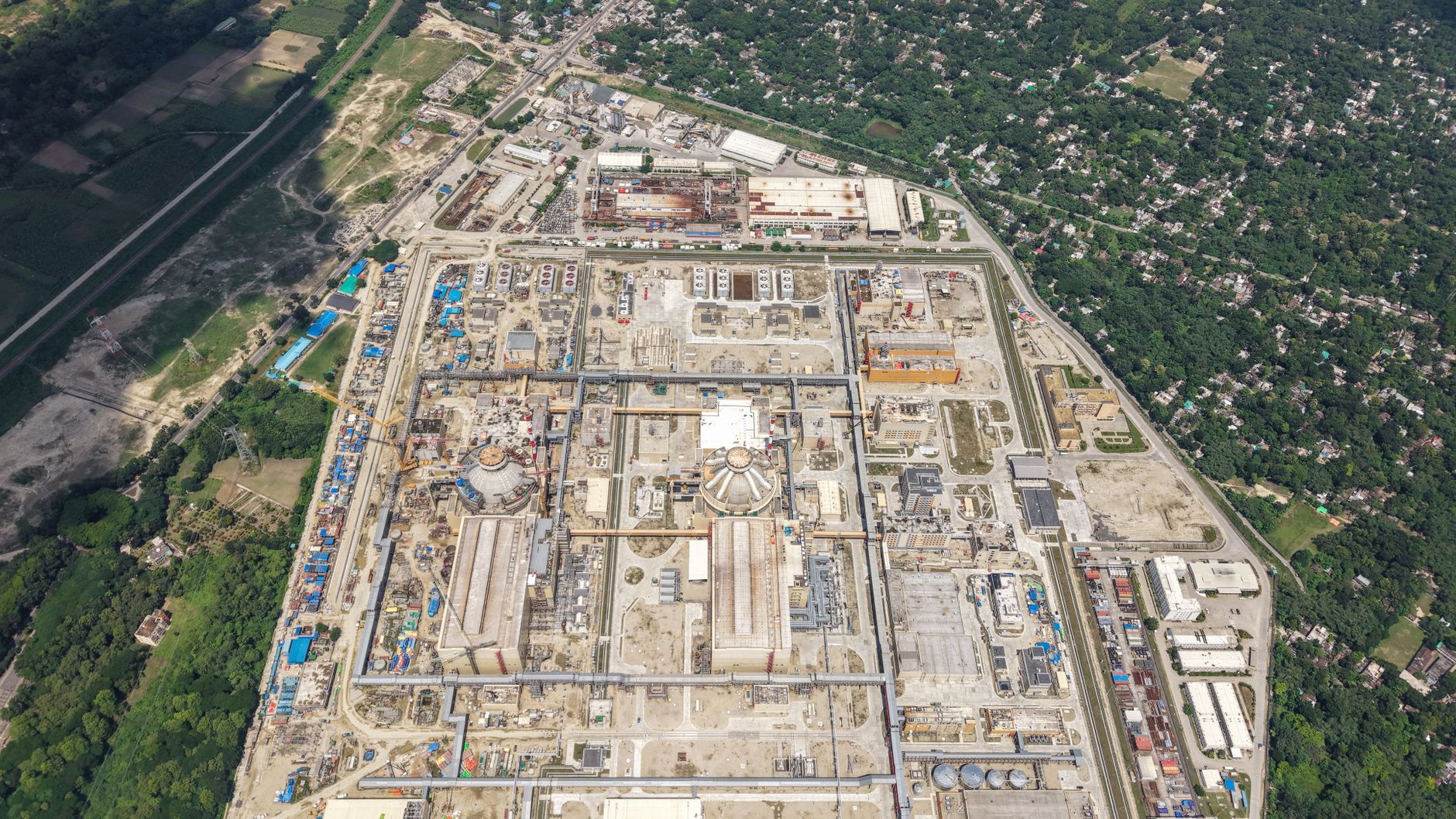
Photo by Sarowar Hussain on Pexels

Where this came from

Related stories

ONGC contract news: L&T Wins Big with INR 2,500-5,000 Crore

ONGC contract news

ONGC contract news reveals that L&T has secured a major contract for west coast offshore projects, valued between INR 2,500-5,000 crore. This win underscores L&T’s strong position in the infrastructure sector.

Overview of the ONGC Contract

The recent announcement regarding the ONGC contract news has generated significant interest in the engineering and construction sector. Larsen & Toubro (L&T), a prominent player in the industry, has secured a substantial contract valued between INR 2,500 and 5,000 crore for offshore projects along the west coast of India. This contract is expected to enhance L&T’s portfolio and solidify its position in the oil and gas sector.

As part of this agreement, L&T will undertake various activities, including:

  • Design and engineering
  • Procurement and construction
  • Installation and commissioning of offshore facilities

The ONGC contract not only represents a significant financial opportunity for L&T but also highlights the increasing demand for infrastructure development in the energy sector. With a strong focus on sustainability and technological advancements, L&T aims to execute the project efficiently, ensuring that it meets the stringent safety and operational standards set by ONGC.

Industry experts believe that this partnership could lead to further collaborations in the future, as both companies seek to leverage their strengths in a rapidly evolving market.

L&T’s Role in Offshore Projects

In a significant development in the oil and gas sector, L&T has secured a major contract from ONGC, valued between INR 2,500 and 5,000 crore, specifically aimed at enhancing offshore projects along the west coast of India. This contract marks a pivotal moment for L&T as it expands its portfolio in the energy sector, showcasing its capabilities in executing large-scale offshore projects.

L&T’s role in these offshore projects is expected to encompass a wide range of activities, including:

  • Engineering and Design: Developing innovative solutions tailored to the challenges of offshore operations.
  • Construction: Implementing robust construction methodologies to ensure timely and efficient project delivery.
  • Project Management: Overseeing the entire lifecycle of the projects, ensuring adherence to safety and quality standards.

This ONGC contract news not only underscores L&T’s strong position in the industry but also emphasizes the growing demand for offshore energy solutions in India. As the energy landscape evolves, L&T’s expertise will play a crucial role in meeting the increasing energy needs of the country.

Impact on Infrastructure Development

The recent announcement of L&T securing a significant contract from ONGC has far-reaching implications for infrastructure development along the west coast. This contract, valued between INR 2,500-5,000 crore, is expected to catalyze various initiatives aimed at enhancing offshore capabilities.

With L&T at the helm, the project will not only bolster local economies but also create numerous job opportunities in engineering, construction, and related sectors. The impact of the ONGC contract news resonates beyond immediate employment; it also signifies a commitment to sustainable practices and technological advancements in offshore operations.

Key areas of impact include:

  • Enhanced Infrastructure: Improved facilities and support systems for offshore drilling and production.
  • Job Creation: Thousands of jobs in engineering, construction, and supply chain management.
  • Technology Adoption: Introduction of advanced technology to improve operational efficiency.
  • Local Development: Increased business for local suppliers and service providers.

As L&T embarks on this ambitious project, the positive effects on infrastructure development and local economies are likely to be substantial.

Future Prospects for L&T

The recent contract win by L&T, valued between INR 2,500 and 5,000 crore, opens up various future prospects for the company in the offshore sector. As ONGC contract news continues to circulate, L&T is poised to leverage this opportunity to expand its footprint in the energy industry.

With a strong emphasis on innovation and technology, L&T aims to enhance its operational efficiency in executing the offshore projects awarded by ONGC. The company’s expertise in large-scale engineering and construction will be crucial in ensuring timely delivery and adherence to safety standards.

Moreover, this contract is expected to bolster L&T’s financial position, providing the necessary resources for further investment in research and development. This strategic move can lead to the development of more advanced solutions to meet the evolving demands of the energy sector.

In addition, L&T’s involvement in these projects will likely create job opportunities and contribute to local economies, showcasing the broader benefits of such significant contracts. As L&T embarks on this journey, stakeholders will be closely watching how the company capitalizes on this ONGC contract news to solidify its market leadership.

The recent ONGC contract news has highlighted the significant win for L&T, which is set to bolster the company’s portfolio. As the industry reacts to the ONGC contract news, analysts predict a positive impact on L&T’s future projects.

Photo by George Piskov on Pexels

Where this came from

Prop News Time

You might also like

Hilton Morocco hotels: Best new options for travelers · Is the Amazon phone launch the best smart device yet? · High townhouse prices: The Worst Real Estate Market Trends

India Bullet Train project: Quick progress on test coach

India Bullet Train project

India Bullet Train project is advancing rapidly, with the first test coach now ready, as highlighted by Ashwini Vaishnaw. This marks a significant milestone in India’s infrastructure development.

Overview of India’s Bullet Train project

The India Bullet Train project marks a significant advancement in the country’s railway infrastructure, aiming to revolutionize high-speed travel. This ambitious initiative is being developed with the assistance of Japan and is expected to connect Mumbai and Ahmedabad with a state-of-the-art, high-speed rail line.

As part of the project’s rapid progression, the first test coach has recently been completed. Ashwini Vaishnaw, the Union Minister for Railways, has confirmed that this milestone is a crucial step towards operationalizing the bullet train service. The completion of the test coach signifies the readiness for extensive trials that will ensure safety and efficiency.

Key features of the India Bullet Train project include:

  • High-Speed Travel: The train is expected to reach speeds of up to 320 kilometers per hour.
  • Modern Technology: Incorporation of advanced signaling and safety systems.
  • Environmental Considerations: A focus on sustainability and energy efficiency.

Overall, the India Bullet Train project is poised to enhance connectivity and transform the travel experience for millions.

Key milestones achieved so far

The India Bullet Train project has seen significant progress in recent months, marking key milestones that demonstrate the commitment to modernize the country’s rail infrastructure. The following achievements have been highlighted:

  • Completion of the test coach: The first test coach for the Bullet Train has been successfully completed and is ready for trials, showcasing the engineering capabilities involved in this ambitious project.
  • Track laying progress: Over 60% of the track for the high-speed rail corridor has been laid, which is a crucial step towards operational readiness.
  • Land acquisition: The majority of land required for the project has been acquired, ensuring that construction can proceed without significant delays.
  • International collaboration: Partnerships with Japanese firms have been solidified, bringing in expertise and technology essential for the Bullet Train’s development.
  • Employment opportunities: The project has generated thousands of jobs, contributing to local economies along the corridor.

These milestones reflect the rapid advancement of the India Bullet Train project, promising a transformative impact on travel and connectivity in the region.

First test coach details

The India Bullet Train project has reached a significant milestone with the completion of its first test coach. This development demonstrates the rapid progress being made in the ambitious railway initiative, which aims to revolutionize high-speed travel across the country.

The test coach features several cutting-edge design elements and technological advancements. Key specifications include:

  • Speed Capability: Designed to operate at speeds exceeding 320 km/h, the coach will undergo rigorous testing to ensure safety and performance.
  • Modern Amenities: Passengers can expect state-of-the-art facilities, including ergonomic seating, high-speed Wi-Fi, and improved air conditioning.
  • Safety Features: Equipped with advanced safety technologies, the coach aims to provide a secure travel experience.

Officials, including Railway Minister Ashwini Vaishnaw, have expressed optimism about the India Bullet Train project, emphasizing that the successful testing of this coach is a crucial step towards operationalizing high-speed rail services in India.

Future implications for transportation

The India Bullet Train project is poised to revolutionize the country’s transportation landscape, offering significant implications for both commuters and the economy. As the project progresses, it aims to reduce travel time between major cities, allowing for quicker and more efficient movement of people and goods.

With the introduction of high-speed trains, India can expect:

  • Increased Connectivity: Enhanced links between urban centers will foster greater economic activity and accessibility.
  • Environmental Benefits: High-speed rail is a more sustainable alternative to road and air travel, contributing to reduced carbon emissions.
  • Job Creation: The construction and operation of bullet trains are expected to generate numerous employment opportunities in various sectors.
  • Boost to Tourism: Faster travel options can attract more tourists, enhancing local economies.

In summary, the forward momentum of the India Bullet Train project signifies not just a transportation upgrade but also a transformative step towards building a more interconnected and sustainable future.

Government’s vision for high-speed rail

The Indian government’s vision for high-speed rail is centered around the ambitious India Bullet Train project, which aims to revolutionize the nation’s transportation infrastructure. By introducing advanced bullet train technology, the government hopes to significantly reduce travel time between major cities, enhancing connectivity and boosting economic growth.

This vision is not just about speed; it also emphasizes sustainability and modernization. The project is expected to use energy-efficient technologies, which aligns with India’s commitment to reducing carbon emissions and promoting green energy solutions. Furthermore, the bullet train system is anticipated to create numerous job opportunities during both the construction and operational phases, thereby contributing to local economies.

In addition to improving travel efficiency, the high-speed rail network will encourage tourism and facilitate smoother logistics across the country. The government’s proactive approach, as demonstrated by the swift progress on the test coach, reflects its determination to make the India Bullet Train project a reality. With continued investment and support, the vision of a connected India through high-speed rail is closer than ever.

Photo by mingche lee on Pexels

References

Related stories