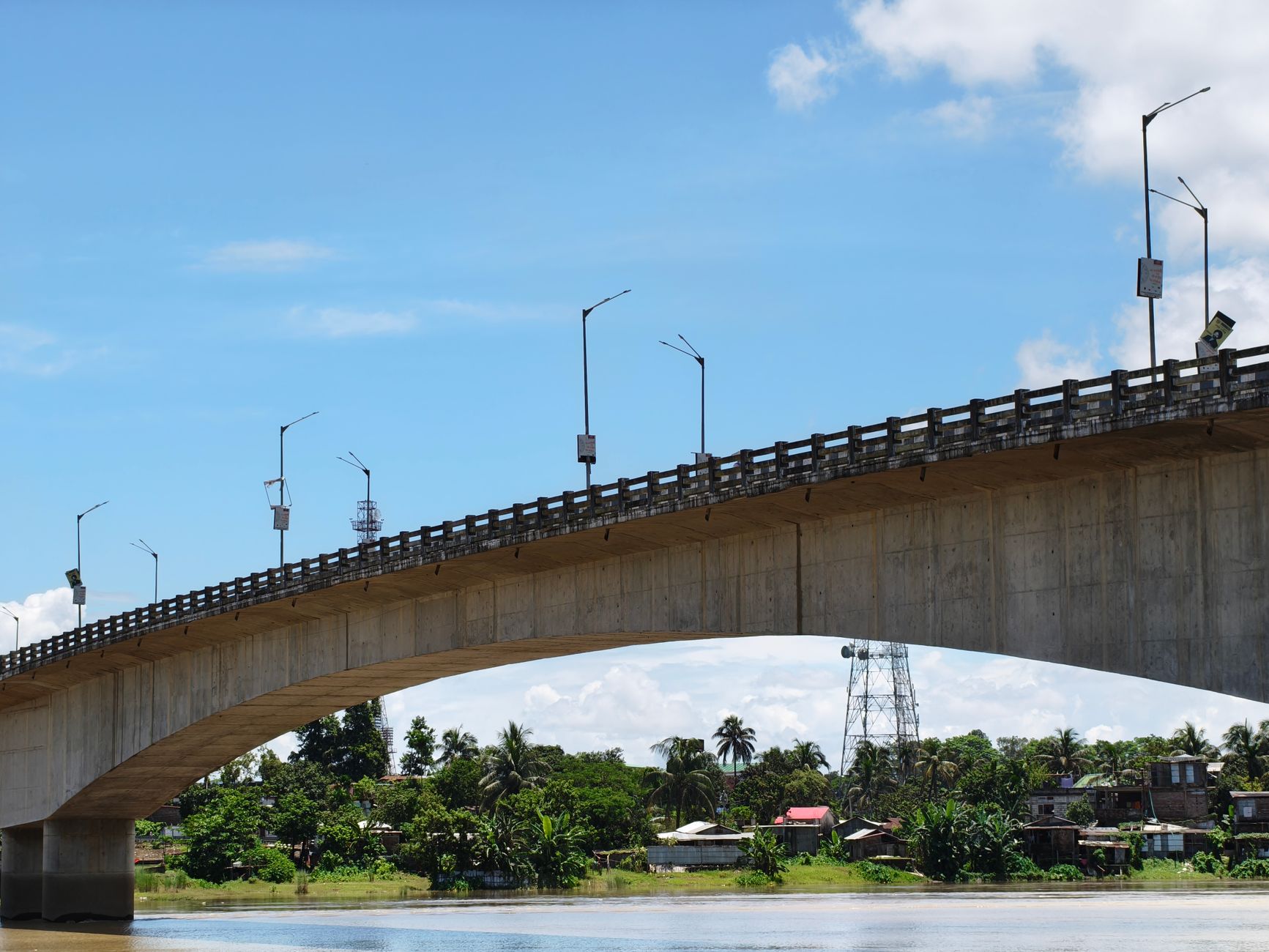
Assam infrastructure projects are currently being reviewed by Himanta Biswa Sarma. This assessment aims to highlight the progress and challenges faced in key development areas.
Overview of Assam’s Infrastructure
In a recent review, Assam’s Chief Minister, Himanta Biswa Sarma, evaluated the progress of various critical infrastructure projects across the state. This initiative aims to enhance Assam’s infrastructure, ensuring better connectivity and improved services for its residents.
During the assessment, Sarma highlighted several key projects that are pivotal for the state’s development:
- Road Development: The Chief Minister emphasized the ongoing construction and upgrading of highways to facilitate smoother transportation.
- Bridges and Flyovers: New bridges and flyovers are being constructed to alleviate traffic congestion in urban areas.
- Railway Infrastructure: Upgrades to railway stations and expansion of railway lines are expected to boost economic growth in the region.
- Urban Development Projects: Initiatives aimed at modernizing city infrastructure, including water supply and sanitation, are underway.
These Assam infrastructure projects are vital for fostering economic growth and improving the quality of life for citizens. The government remains committed to ensuring timely completion and effective implementation of these initiatives.
Key Projects Under Review
In a recent review meeting, Assam’s Finance Minister, Himanta Biswa Sarma, assessed the progress of several key infrastructure projects aimed at enhancing the state’s development. These projects are crucial for improving connectivity, boosting economic growth, and providing essential services to the residents of Assam.
Among the highlighted projects were:
- Road Development Initiatives: Significant upgrades to the road network, including the construction of new highways and the improvement of existing roads to facilitate smoother transportation.
- Bridge Construction: The ongoing construction of major bridges aimed at connecting remote areas to urban centers, thereby promoting trade and accessibility.
- Public Transportation Enhancements: Initiatives to modernize public transportation systems, making them more efficient and user-friendly for daily commuters.
- Water Supply Projects: Implementation of new water supply schemes to ensure clean and reliable drinking water access for all communities.
The review highlighted the government’s commitment to advancing these Assam infrastructure projects, with timelines set for completion and regular monitoring to ensure accountability and transparency.
Government’s Role in Development
The government plays a pivotal role in the development of Assam’s infrastructure projects, ensuring that essential services and facilities are enhanced for the citizens. Under the leadership of Himanta Biswa Sarma, significant strides have been made in recent months, showcasing a commitment to uplift the region’s connectivity and overall living standards.
During a recent review meeting, the Chief Minister emphasized the importance of timely completion and efficient execution of these infrastructure initiatives. He highlighted several key aspects that are crucial for the successful implementation of projects:
- Funding Allocation: Ensuring adequate financial resources are directed towards priority projects.
- Public-Private Partnerships: Encouraging collaboration between the government and private sectors to leverage expertise and investment.
- Community Engagement: Involving local communities in the planning process to address their specific needs and concerns.
- Monitoring and Evaluation: Establishing robust mechanisms to track progress and address any challenges promptly.
These measures reflect the government’s proactive approach towards fostering infrastructure development, which is essential for Assam’s economic growth and resilience.
Challenges Facing Infrastructure
The review conducted by Himanta Biswa Sarma highlighted several challenges facing infrastructure development in Assam. Despite the government’s commitment to enhancing the state’s infrastructure, various obstacles continue to hinder progress.
- Funding Issues: Insufficient financial resources have been a significant barrier, impacting the timely execution of projects.
- Land Acquisition Delays: Securing land for new developments has proven to be a lengthy process, often resulting in stalled projects.
- Environmental Concerns: Environmental regulations and opposition from local communities have led to modifications in project designs and implementation schedules.
- Technical Challenges: Some infrastructure projects in Assam require advanced technology and expertise, which may not be readily available.
- Weather Conditions: The region’s monsoon season can disrupt construction timelines, leading to further delays.
As the state continues to pursue ambitious infrastructure projects, addressing these challenges is crucial for achieving the desired outcomes. The successful completion of these initiatives is essential for improving connectivity and fostering economic growth in Assam.
Future Plans for Assam
Looking ahead, the Assam government is committed to enhancing its infrastructure landscape through a series of ambitious projects aimed at fostering economic growth and connectivity. Himanta Biswa Sarma emphasized that future plans for Assam infrastructure projects will focus on sustainable development and technological integration.
Key initiatives under consideration include:
- Expansion of Road Networks: Plans to upgrade existing roads and construct new highways to improve accessibility across the state.
- Railway Modernization: Investments in modern rail facilities to facilitate faster and more efficient transportation.
- Water Supply and Sanitation: Ongoing efforts to ensure reliable water supply systems and enhanced sanitation facilities in both urban and rural areas.
- Digital Infrastructure: Initiatives aimed at boosting internet connectivity in remote regions, promoting digital literacy and services.
With these strategic projects, the government aims to not only bolster economic activities but also improve the quality of life for residents. By prioritizing these infrastructure developments, Assam is poised to attract investment and foster a progressive environment for its citizens.
Community Impact of Projects
The recent review of Assam infrastructure projects by Himanta Biswa Sarma has shed light on the positive community impact these initiatives are generating. The government’s commitment to developing robust infrastructure is not only enhancing connectivity but also fostering economic growth in various regions.
Several key areas have seen significant improvements:
- Employment Opportunities: Local communities are benefiting from job creation as construction and maintenance of infrastructure projects, such as roads and bridges, require skilled and unskilled labor.
- Access to Services: Improved roads and transportation networks facilitate better access to healthcare, education, and other essential services, particularly in remote areas.
- Economic Development: Enhanced infrastructure attracts investments, leading to the establishment of businesses that further stimulate local economies.
- Social Integration: Projects are promoting social cohesion by connecting diverse communities, enabling cultural exchanges and shared resources.
The positive community impact of Assam infrastructure projects is evident, as residents experience the tangible benefits that contribute to an improved quality of life. Continued investment in these projects is essential for sustained growth and development.
The recent review highlighted significant advancements in various Assam infrastructure projects, showcasing the government’s commitment to development. Himanta emphasized that these Assam infrastructure projects are crucial for boosting the state’s economy and connectivity.
Photo by Noor Zaman on Pexels
