Introduction
A useful patio can integrate the most beneficial and appealing areas of a rustic property. Whether you want a space for entertaining vacationers, families, dining type, or enjoying a fire pit, patio pavers offer an adjustable habit to devise a long-lasting surface accompanying plenty of design potential.
Paver Installation Tips
1. Start With a Clear Patio Plan
Before purchasing pavers or starting digging, decide what you are going to use the porch for. Consider the furniture, outdoor kitchen, fire pit, eating area, or different looks you may consider including. You can also contact a Concord paver installation expert for more advice.
Measure the projected porch footprint painstakingly and create a basic blueprint. This will help you estimate the number of pavers and base material necessary. Also consider the porch’s connection to the house and surrounding landscape. A patio that connects to existing doors, pathways, flowers, or amusing fields will mainly feel more functional.
Organic material such as grass, roots, and unsuitable soil should be removed. The sub-grade should be sorted and compacted. A satisfactory aggregate base is installed over the prepared sub-grade. This base provides organization and helps distribute loads across the patio.
2. Plan for Proper Drainage
Water management should be deliberate before the pavers are installed. Poor drainage can allow water to accumulate on the porch or beneath the concreting arrangement, potentially causing damage and other issues.
The porch concrete should generally be planned with an appropriate slope so water can move away from the home and toward an acceptable area for water drainage. Pay particular attention to existing foundations, doors, steps, and other features. Depending on the section, supplementary drainage solutions can be necessary.
3. Use and Style of Pavers
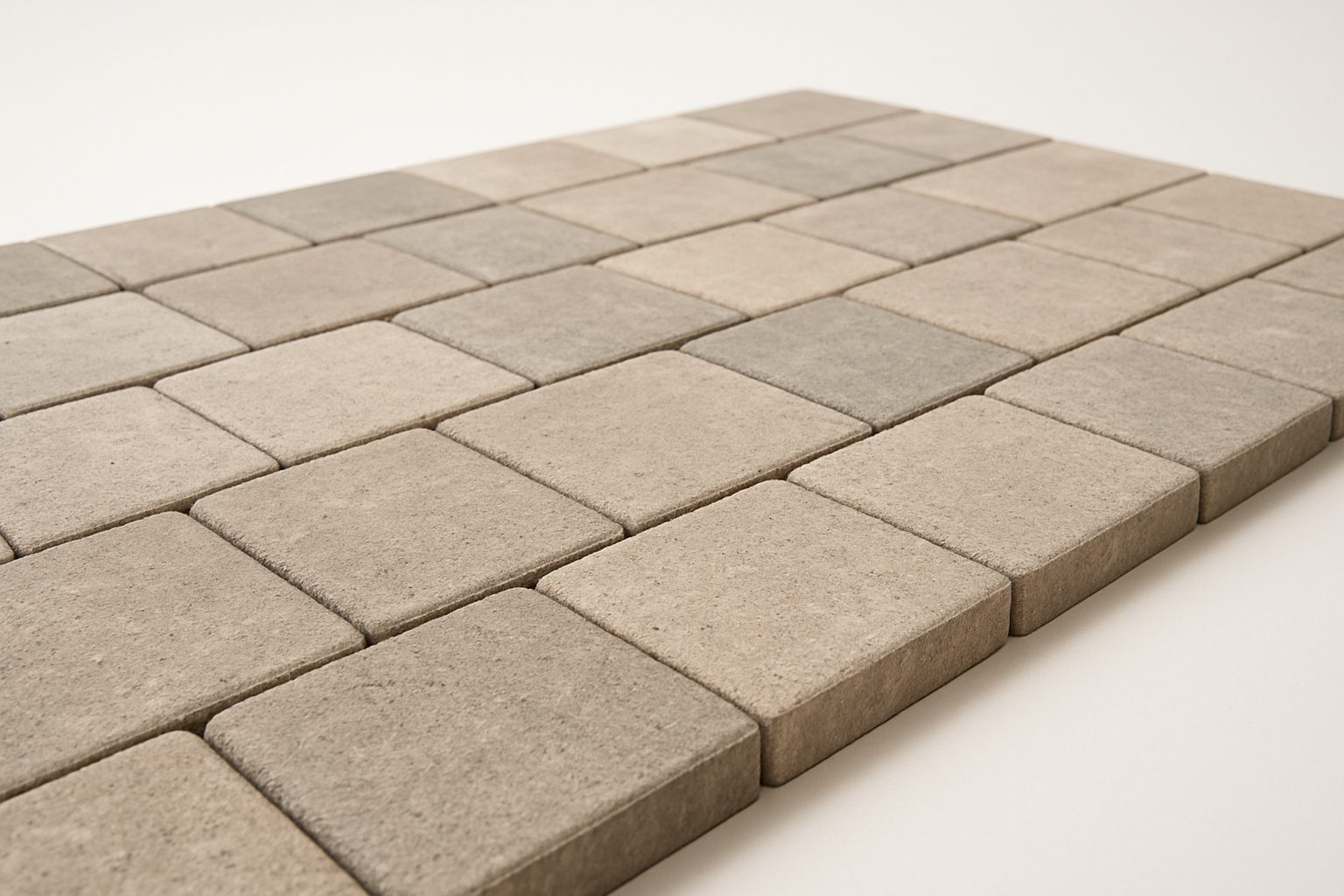
Your choice brings a balanced appearance while meeting practical needs. Concrete pavers offer many design options and can suit many porch applications. Natural, non-organic options can provide a singular, organic performance, while other concrete options may offer miscellaneous textures and endless characteristics. You can also contact a Concord hardscape contractor.
4. Select a Pattern That Complements the Space
The laying pattern can significantly affect the presence of a porch. Running bond offers a simple, continuous appearance, while herringbone forges a more unique and organized design. Basketweave can provide a settled aesthetic, while various-size layouts can add visual interest.
5. Don’t Overlook Edge Restraints
Edge restraints help keep pavers in place and protect the edges of the system, which controls the organization from spreading. Without appropriate limitation, individual pavers can shift outward, especially when the porch experiences average foot traffic or drive.
6. Install and Compact the Pavers Carefully
After installation, joint material is settled between the pavers, and the surface is compacted using appropriate supplies and procedures. This helps level the pavers and preserve the cheap hangouts.
Conclusion
Careful planning by a paver driveway contractor Concord helps decide the appropriate size, plan, materials, pattern, and drainage policy for the area. By fitting the ground properly, selecting appropriate pavers, planning for water seepage, and paying attention to details such as edge restraints and joint sand, something used to measure heaviness, you can design a patio that is, to say, both attractive and functional. Taking the time to plan each stage can help your outside range feel inviting, done, and pleasing for years.
Key Takeaways
- A clear patio plan should be established prior to paver purchase and installation, considering the intended use of the space.
- Proper drainage planning is essential to avoid water accumulation on the patio, necessitating a slope that directs water away from the home.
- Concrete pavers offer a variety of design options that can suit different patio applications, including natural and non-organic styles.
- The choice of laying pattern for pavers can significantly influence the aesthetic of the patio, with options like running bond, herringbone, and basketweave providing different visual effects.
- Edge restraints are important for maintaining the position of pavers and preventing shifting due to foot traffic.
- After installation, it is crucial to settle joint material and compact the surface to ensure stability and longevity of the patio.