Which 10 real estate companies are embracing technology to enhance the buying and selling process for customers?

1. Zillow Group: Zillow utilizes advanced technology and data analytics to provide customers with accurate home valuations, market trends, and real estate listings.

2. Redfin: Redfin uses its proprietary technology to enhance the home buying and selling process by providing real-time updates, virtual home tours, and an online platform for scheduling showings and making offers.

3. Compass: Compass leverages technology to offer a personalized home search experience, utilizing AI-powered algorithms to help customers find their dream home quickly and efficiently.

4. Keller Williams: Keller Williams utilizes technology tools and platforms such as KW Command and Keller Cloud to streamline the buying and selling process for agents and customers, offering virtual tours and online document management.

5. eXp Realty: eXp Realty operates as a cloud-based brokerage, providing virtual tours, e-signatures, and online collaboration tools to enhance the home buying and selling experience.

6. Realogy Holdings Corp: Realogy, the parent company of franchises like Coldwell Banker and Century 21, embraces technology to offer virtual reality tours, 3D property scans, and comprehensive online listings.

7. RE/MAX: RE/MAX utilizes technology and data-driven insights to improve the customer experience, offering extensive online property listings, virtual showings, and a mobile app for real-time updates.

8. Sotheby’s International Realty: Sotheby’s International Realty incorporates technology tools like immersive virtual reality tours and high-resolution photography to showcase luxury properties to potential buyers globally.

9. Coldwell Banker: Coldwell Banker utilizes technology such as smart home integration, digital marketing, and virtual staging to enhance property listings and provide a seamless buying and selling experience.

10. RedOak Realty: RedOak Realty employs technology tools like interactive online listings, targeted digital marketing campaigns, and virtual tours to assist customers in the home buying and selling process.

What are the top 10 home improvement projects that are currently in high demand among homeowners?

1. Kitchen Remodeling: This often tops the list, as homeowners seek to update their kitchens with modern appliances, new cabinetry, and countertops.

2. Bathroom Renovation: Upgrading bathrooms with new fixtures, tiles, and vanities is a popular project, as homeowners look to create a relaxing and stylish space.

3. Outdoor Living Space: Many homeowners are investing in creating outdoor living areas, such as deck or patio installations, to extend their usable space and enhance their homes’ aesthetics.

4. Energy-efficient Upgrades: With an increasing focus on sustainability, projects like installing solar panels, energy-efficient windows, and insulation are in high demand among homeowners.

5. Basement Finishing: Homeowners are often keen to finish their basements to create additional living space, which could be turned into a home office, gym, or entertainment area.

6. Home Office setup: As remote work becomes more common, many homeowners are looking to convert a spare room or create a dedicated space for a functional and aesthetically pleasing home office.

7. Roof Replacements: Replacing an old or damaged roof is a significant project that homeowners prioritize to ensure protection and energy efficiency in their homes.

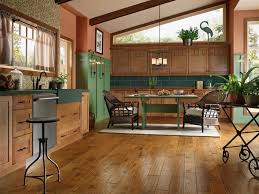
8. Flooring Upgrades: Updating flooring with hardwood, laminate, or luxury vinyl options is a sought-after improvement to give homes a fresh and updated look.

9. Smart Home Technology: Incorporating smart home devices, such as programmable thermostats, security systems, and voice-controlled assistants, is a popular trend among homeowners.

10. Outdoor Landscaping: Enhancing curb appeal with landscaping projects like installing a new lawn, adding trees and plants, or building a garden is a common home improvement project that homeowners pursue.

What are the top 10 tips for first-time homebuyers navigating the competitive real estate market?

1. Get pre-approved for a mortgage: This will give you a clear understanding of your budget and help you act quickly when you find a suitable home.

2. Hire a reliable real estate agent: An experienced agent will guide you through the process, negotiate on your behalf, and help you make informed decisions.

3. Understand your priorities: Make a list of your must-haves, preferences, and deal-breakers. This will help you narrow down your search and avoid getting overwhelmed.

4. Act quickly when you find the right property: In a competitive market, good homes are often snatched up fast. Be ready to make an offer as soon as you find a suitable property.

5. Be flexible with your search criteria: Consider exploring slightly different neighborhoods or adjusting your preferences to increase your options.

6. Set a realistic budget: Calculate not just the purchase price, but also taxes, insurance, maintenance costs, and potential renovations. Ensure that you’re comfortable with the overall financial commitment.

7. Don’t skip home inspections: Even in a competitive market, it’s important to conduct thorough inspections to identify any hidden issues before closing the deal.

8. Keep emotions in check: It’s easy to get attached to a home, but don’t let emotions cloud your judgment. Evaluate each property objectively, weighing pros and cons.

9. Be prepared for bidding wars: In a competitive market, multiple offers on the same property are common. Discuss strategies with your agent to increase your chances of success.

10. Be patient and persistent: The process of finding the right home in a competitive market may take time. Stay positive, be persistent, and stay focused on finding the perfect fit for you.

Which 10 countries have recently experienced significant growth in their real estate markets?

The following 10 countries have recently experienced significant growth in their real estate markets:

1. United Arab Emirates (UAE): The UAE, specifically Dubai and Abu Dhabi, has seen strong growth in its real estate market due to government initiatives, increased foreign investment, and hosting major events like Expo 2020.

2. Turkey: Turkey has experienced rapid growth in its real estate market, particularly in Istanbul. The country’s economic stability and strategic location have attracted both local and international investors.

3. Spain: After recovering from a major downturn during the global financial crisis, Spain’s real estate market has been booming. Cities like Barcelona and Madrid have become attractive destinations for investors.

4. Portugal: Portugal’s real estate market has been on the rise, with strong demand from international buyers, including those seeking the Golden Visa program. Lisbon and Porto are key investment hotspots.

5. Germany: Germany’s real estate market, especially in cities like Berlin and Munich, has been experiencing significant growth. Low-interest rates, urbanization trends, and strong economic fundamentals have contributed to this growth.

6. Canada: Canada’s real estate market has seen appreciable growth, driven by low-interest rates, urbanization, and foreign investment. Cities like Toronto and Vancouver have experienced a surge in demand.

7. Australia: Australia’s real estate market continues to grow, driven by low-interest rates, population growth, and foreign investment. Sydney and Melbourne are key cities with strong market performance.

8. Poland: Poland’s real estate market has been flourishing due to its economic stability and ongoing urbanization. Cities like Warsaw, Krakow, and Wrocław have seen significant growth.

9. Czech Republic: The Czech Republic has experienced a surge in its real estate market, particularly in Prague. Strong economic growth, low-interest rates, and increased investment have contributed to this growth.

10. Kenya: Kenya’s real estate market has been thriving, driven by urbanization, a growing middle class, and increased foreign investment. Nairobi is a key area with substantial growth potential.

Please note that these trends are subject to change, and it’s important to conduct further research and consult experts before making any investment decisions.

Which 10 architectural design trends are redefining modern homes and reshaping urban landscapes?

1. Sustainable Design: With a growing focus on environmental consciousness, architects are incorporating sustainable materials, energy-efficient systems, and renewable energy sources into their designs.

2. Open Floor Plans: Open concept layouts are increasingly popular in modern homes, creating flexible and functional spaces that promote interaction and socialization.

3. Smart Homes: Integrating technology into home design has become a major trend, with features like automated lighting, heating, security systems, and remote control of various appliances.

4. Indoor-Outdoor Living: By blurring the boundaries between indoor and outdoor spaces, architects are creating seamless transitions and connecting residents with nature. This includes expansive windows and sliding glass doors that open up to outdoor areas.

5. Adaptive Reuse: The trend of repurposing old buildings or structures for new purposes is gaining popularity, contributing to the preservation of historic architecture and reducing waste.

6. Minimalist Design: Minimalism emphasizes clean lines, simplicity, and functionality. Architects are increasingly opting for minimalist aesthetics, creating uncluttered and serene living spaces.

7. Mixed-Use Developments: Urban landscapes are transforming with the rise of mixed-use developments that combine residential, commercial, and recreational spaces in one area, offering convenience and reducing commute times.

8. Green Roofs and Vertical Gardens: Integrating lush vegetation on building rooftops and vertical walls helps reduce carbon emissions, insulates buildings, and enhances the overall visual appeal.

9. Passive Design: Passive design principles focus on utilizing natural sources like sunlight and wind to maximize energy efficiency, resulting in homes and buildings that require less artificial heating, cooling, and lighting.

10. Biophilic Design: Recognizing the benefits of incorporating nature into built environments, architects are embracing biophilic design by incorporating natural elements, materials, and patterns to enhance occupants’ well-being and connection with the natural world.

What are the top 10 interior design trends that are shaping modern homes and living spaces?

1. Biophilic Design: With a growing awareness of the importance of nature for our well-being, biophilic design is on the rise. Incorporating natural elements like plants, natural materials, and abundant natural light into interior spaces is a popular trend.

2. Sustainable Design: As people become more environmentally conscious, sustainable interior design is gaining popularity. This includes using sustainable materials, energy-efficient appliances, and incorporating eco-friendly design principles.

3. Minimalism: The minimalist movement continues to shape modern homes, with clean lines, clutter-free spaces, and a focus on functionality. This trend emphasizes simplicity and promotes a sense of calm and order.

4. Multifunctional Spaces: With the rising trend of remote work and smaller living spaces, creating multifunctional areas is crucial. Home offices that can be converted into guest rooms or dining areas that double as workspaces are examples of this trend.

5. Bold Colors and Patterns: While neutral color palettes have been popular in recent years, there is a shift towards using bold colors and patterns to add personality and character to living spaces. Vibrant hues and eye-catching patterns can be seen in furniture, wallpapers, and accessories.

6. Smart Homes: As technology advances, smart home systems are becoming increasingly common. Integrating automation and connectivity into interior design allows homeowners to control lighting, temperature, security, and entertainment systems effortlessly.

7. Vintage and Retro: Nostalgia is making a comeback in the form of vintage and retro design trends. Mid-century modern furniture, retro wallpaper, and vintage accessories are being incorporated into modern interiors, creating a unique and eclectic style.

8. Warm and Cozy Spaces: In response to the fast-paced and stressful nature of modern life, there is a growing desire to create warm and cozy environments at home. This trend focuses on using soft textures, warm color palettes, and comfortable furniture to evoke a sense of relaxation and coziness.

9. Mixed Materials and Textures: Blending different materials and textures adds depth and interest to interior design. Combining elements like wood, metal, glass, and fabrics in a harmonious way creates an eclectic and visually appealing space.

10. Personalization: More people are seeking to create personalized living spaces that reflect their individual taste and style. This involves incorporating unique artwork, family heirlooms, and sentimental objects into the design to make the space truly their own.

What are the top 10 home improvement projects that offer the highest return on investment (ROI)?

1. Garage door replacement: This is one of the top home improvement projects with the highest ROI, offering a return of around 97.5%.
2. Manufactured stone veneer: Adding stone veneer to the exterior of your home can provide a return on investment of about 94.9%.
3. Entry door replacement: Replacing your front door with a new steel door can offer an ROI of approximately 91.3%.
4. Wood deck addition: Building a wooden deck can provide a return of around 83%.
5. Minor kitchen remodel: Updating your kitchen with minor renovations, such as replacing cabinet doors and updating appliances, can offer an ROI of about 81.8%.
6. Siding replacement: Replacing your home’s siding can provide a return on investment of around 76.7%.
7. Window replacement (vinyl): Installing new vinyl windows can offer an ROI of approximately 74.3%.
8. Universal bathroom remodel: Creating a more accessible and universally designed bathroom can provide a return of around 72.4%.
9. Basement remodel: Finishing or remodeling your basement space can offer an ROI of about 70%.
10. Roof replacement: Installing a new roof can provide a return on investment of around 68.4%.

It’s important to note that these ROI percentages can vary depending on factors like location, market conditions, and the quality of the work done.

Which 10 cities are known for their booming real estate markets and attractive investment opportunities?

Here are 10 cities known for their booming real estate markets and attractive investment opportunities:

1. San Francisco, California, USA
2. Austin, Texas, USA
3. Toronto, Ontario, Canada
4. Berlin, Germany
5. Sydney, New South Wales, Australia
6. Barcelona, Spain
7. Tokyo, Japan
8. Dubai, United Arab Emirates
9. Mumbai, Maharashtra, India
10. Sao Paulo, Brazil

Which 10 cities are witnessing a revitalization of their urban neighborhoods and attracting real estate investments?

1. Detroit, Michigan, USA – Detroit has been undergoing a significant revitalization in recent years, attracting real estate investments to its urban neighborhoods such as Downtown, Midtown, and Corktown.

2. Pittsburgh, Pennsylvania, USA – Pittsburgh has seen a transformation of its former industrial neighborhoods, with areas like Lawrenceville, East Liberty, and the Strip District attracting real estate investment and urban revitalization.

3. Oakland, California, USA – Oakland, located across the bay from San Francisco, has witnessed a surge of real estate investments in neighborhoods like Uptown, Jack London Square, and Temescal, contributing to its urban revitalization.

4. Portland, Oregon, USA – Portland is known for its vibrant neighborhoods, and areas like Pearl District, Alberta, and Mississippi Avenue have seen increased real estate investments, contributing to the city’s urban revitalization.

5. Nashville, Tennessee, USA – Nashville has experienced a revitalization in its urban neighborhoods, with areas like East Nashville, Germantown, and The Gulch attracting significant real estate investments.

6. Berlin, Germany – Berlin has gone through a revitalization process since the fall of the Berlin Wall. Neighborhoods such as Kreuzberg, Prenzlauer Berg, and Friedrichshain have seen increased real estate investments, transforming the city’s urban landscape.

7. Austin, Texas, USA – Austin’s urban neighborhoods like East Austin, South Congress, and Rainey Street have witnessed a revitalization and significant real estate investments, attracting businesses, residents, and visitors.

8. Manchester, United Kingdom – Manchester has been undergoing a renaissance in recent years, with neighborhoods like Northern Quarter, Ancoats, and Castlefield experiencing urban revitalization and attracting real estate investments.

9. Johannesburg, South Africa – Johannesburg has seen a renewal of its urban neighborhoods, with areas like Maboneng, Braamfontein, and Newtown attracting real estate investments and contributing to the city’s urban revitalization.

10. Medellín, Colombia – Medellín has transformed itself from a troubled city to a vibrant one, with neighborhoods like El Poblado, Laureles, and Envigado witnessing urban revitalization and attracting real estate investments.

What are the top 10 sustainable and eco-friendly building practices that are gaining popularity in the construction industry?

1. Passive design: Incorporating smart building orientation, insulation, and shading to reduce the need for mechanical heating and cooling.

2. Energy-efficient appliances and lighting: Installing energy-efficient HVAC systems, LED lighting, and appliances rated with ENERGY STAR certification.

3. Solar energy: Utilizing solar panels to generate electricity and reduce reliance on fossil fuels.

4. Rainwater harvesting: Collecting rainwater for non-potable uses like irrigation, toilet flushing, and laundry.

5. Greywater recycling: Treating and reusing water from sinks, showers, and laundry for non-potable purposes.

6. Green roofs and walls: Installing vegetated roofs and walls that improve insulation, reduce stormwater runoff, and provide wildlife habitat.

7. Sustainable materials: Choosing eco-friendly and locally sourced materials with lower embodied carbon, such as recycled content, bamboo, straw bale, or reclaimed wood.

8. Water-efficient fixtures: Installing low-flow toilets, faucets, and showerheads to conserve water.

9. Waste reduction and recycling: Implementing construction waste management plans to divert materials from landfills and encourage recycling.

10. Building automation and controls: Utilizing smart technologies that optimize building operations, including energy monitoring, occupancy sensors, and advanced HVAC and lighting controls.