



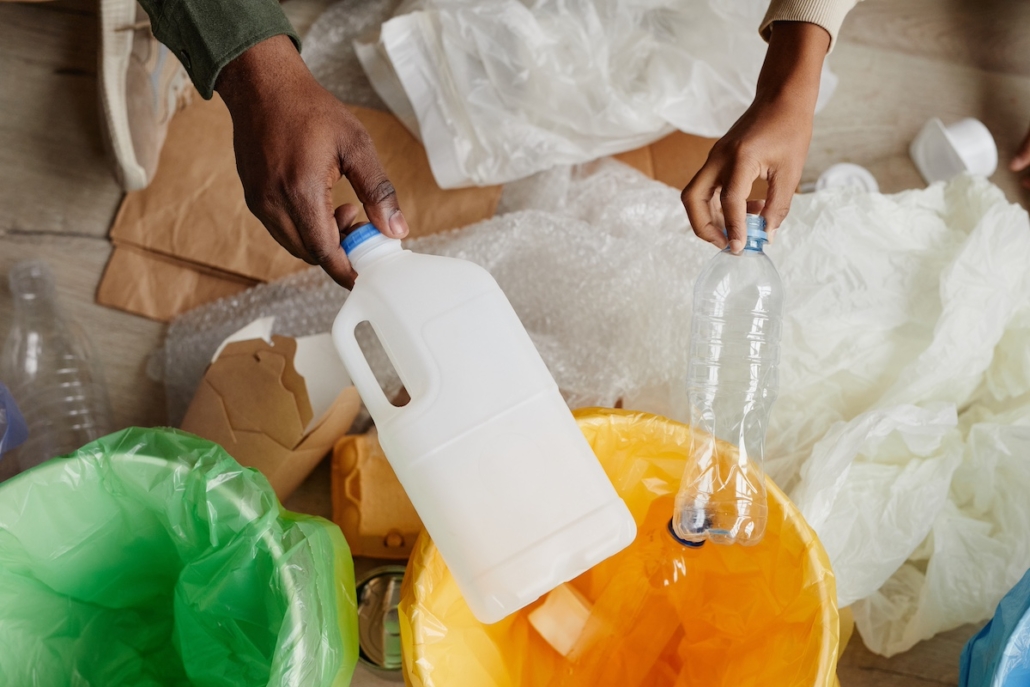
Polyethylene Terephthalate (PET) is one of the most commonly used plastics worldwide, valued for its strength, transparency, and lightweight properties. It is widely used in beverage bottles, food containers, packaging materials, and textiles. While PET is durable and versatile, improper disposal has become an environmental concern, contributing to plastic pollution and landfill accumulation. recycle PET is an essential step in reducing waste, conserving resources, and supporting green initiatives that promote a circular economy.
Understanding PET and Its Uses
PET is a thermoplastic polymer known for its durability, chemical resistance, and recyclability. Its applications range from single-use beverage bottles to long-term packaging and synthetic fibers. Despite its practical uses, discarded PET can take hundreds of years to decompose, posing a threat to the environment. Recycling PET not only helps reduce pollution but also provides a sustainable alternative to producing new plastic from virgin materials, conserving energy and resources in the process.
Collection and Sorting
The first step in PET recycling is the collection of used materials. PET waste is gathered through municipal recycling programs, industrial collections, and specialized recycling initiatives. Proper sorting is crucial to separate PET from other types of plastics and contaminants such as metals, paper, or food residue. Advanced technologies, including automated sorting systems and optical scanners, enhance the accuracy and efficiency of this process. Effective sorting ensures that only high-quality PET enters the recycling stream, increasing the value and usability of the recycled material.
Cleaning and Preparation
After sorting, PET materials are thoroughly cleaned to remove labels, adhesives, and other impurities. The cleaned PET is then shredded into flakes or pellets, preparing it for reprocessing. Proper cleaning is essential for maintaining the quality and integrity of recycled PET, allowing it to be used in manufacturing new products without compromising performance. This stage ensures that recycled PET meets industry standards for safety, strength, and usability.
Reprocessing and Manufacturing
Once prepared, PET is reprocessed through melting, extrusion, and molding techniques to create new products. Recycled PET (rPET) can be used to manufacture beverage bottles, food containers, packaging films, textiles, and even construction materials. Advances in recycling technology ensure that rPET retains properties similar to virgin PET, making it a reliable and sustainable alternative. By incorporating rPET into new products, manufacturers reduce the demand for petroleum-based raw materials, conserving natural resources and energy.
Environmental Benefits of PET Recycling
Recycling PET offers significant environmental advantages. Diverting PET waste from landfills and incineration reduces greenhouse gas emissions and prevents harmful chemicals from entering the ecosystem. Recycling also conserves natural resources, as producing rPET requires less energy and raw materials compared to creating PET from virgin sources. Additionally, PET recycling helps reduce plastic pollution in oceans and waterways, protecting wildlife and promoting healthier ecosystems.
Supporting the Circular Economy
PET recycling plays a crucial role in supporting a circular economy, which emphasizes waste reduction, resource efficiency, and sustainable consumption. By transforming discarded PET into new products, the material’s lifecycle is extended, minimizing environmental impact. Businesses, consumers, and manufacturers contribute to the circular economy by participating in recycling programs, purchasing products made from rPET, and adopting sustainable practices. This collaborative approach ensures that PET continues to serve practical purposes while reducing its environmental footprint.
Challenges and Innovations
Despite its benefits, PET recycling faces challenges such as contamination, improper disposal, and fluctuating collection rates. Innovations in recycling technology, including chemical recycling, improved sorting systems, and enhanced processing methods, are helping overcome these obstacles. Ongoing research and development ensure that PET recycling becomes more efficient, cost-effective, and environmentally sustainable, further supporting global green initiatives.
Conclusion
Recycling PET is an essential practice for promoting environmental sustainability, reducing plastic waste, and supporting green initiatives. Through proper collection, sorting, cleaning, and reprocessing, PET can be transformed into new, usable products, contributing to a circular economy. The environmental benefits include lower greenhouse gas emissions, reduced pollution, and conservation of natural resources. By participating in PET recycling programs and supporting products made from recycled materials, individuals and businesses play an active role in protecting the environment. Responsible PET recycling ensures that this versatile plastic continues to serve practical purposes while minimizing its impact on the planet.







+ There are no comments
Add yours